
The battle for sustainable packaging supremacy is reshaping industries worldwide, as businesses race to find eco-friendly alternatives that satisfy both environmental demands and practical requirements.

🌍 The Urgent Need for Sustainable Packaging Revolution
Global packaging waste has reached unprecedented levels, with traditional plastic materials dominating landfills and oceans. As consumer awareness grows and regulatory pressures intensify, companies are desperately seeking sustainable alternatives that don’t compromise functionality or cost-effectiveness. This search has brought three contenders to the forefront: paper-based packaging, molded pulp solutions, and nonwoven materials.
Each material presents unique advantages and challenges, making the choice far from straightforward. Understanding the nuances of these packaging solutions is essential for businesses aiming to reduce their environmental footprint while maintaining operational efficiency and customer satisfaction.
📦 Paper Packaging: The Traditional Champion
Paper packaging has been the go-to sustainable alternative for decades, benefiting from established infrastructure and widespread consumer acceptance. Its renewable nature, recyclability, and biodegradability make it an attractive option for brands seeking to demonstrate environmental responsibility.
The Strengths of Paper-Based Solutions
Paper packaging excels in several critical areas that make it a persistent favorite among manufacturers and consumers alike. Its versatility allows for diverse applications, from corrugated boxes to sophisticated retail packaging with high-quality printing capabilities. The material’s renewable source—sustainably managed forests—provides a continuous supply chain that doesn’t deplete finite resources.
The recycling infrastructure for paper is well-established globally, with collection systems and processing facilities operating efficiently in most developed regions. This mature ecosystem means that paper packaging can genuinely achieve circular economy principles when properly managed. Additionally, paper decomposes relatively quickly in natural environments compared to synthetic alternatives, reducing long-term environmental impact.
Where Paper Falls Short
Despite its advantages, paper packaging faces significant limitations that restrict its universal application. Moisture sensitivity remains the most critical weakness, requiring additional treatments or coatings that can compromise recyclability. These protective layers often contain plastics or waxes that complicate the recycling process and diminish the material’s environmental credentials.
Durability concerns also limit paper’s suitability for heavy or fragile products requiring robust protection during shipping. The material’s strength-to-weight ratio, while improved through engineering innovations, still cannot match certain applications where superior protective qualities are essential. Furthermore, the energy and water consumption involved in paper production, though improving, remains substantial and environmentally consequential.
🌱 Molded Pulp: The Rising Contender
Molded pulp packaging represents an evolution of paper-based solutions, transforming recycled paper fibers into three-dimensional protective structures. This technology has gained tremendous momentum as companies seek alternatives to expanded polystyrene and plastic cushioning materials.
The Innovation Behind Molded Pulp Technology
The manufacturing process of molded pulp involves breaking down recycled paper into fibers, mixing with water to create a slurry, and then forming this mixture into specific shapes using heated molds. This technique allows for complex geometries that provide excellent cushioning and protection for products during transit.
Modern molded pulp extends beyond the basic egg carton applications that characterized early adoption. Today’s advanced formulations can achieve smooth surfaces, precise tolerances, and even integrate structural elements that rival plastic performance in many applications. The material’s shock-absorption properties make it particularly suitable for electronics, cosmetics, and other delicate items requiring protective packaging.
Environmental Advantages That Stand Out
Molded pulp’s environmental profile is compelling across multiple metrics. The material typically contains 100% recycled content, directly diverting waste from landfills and reducing demand for virgin materials. Its production process uses significantly less energy than plastic manufacturing, and the water used can often be recycled within the production facility.
Compostability represents another major advantage, as molded pulp breaks down completely in both industrial and home composting environments. This characteristic eliminates end-of-life disposal concerns and aligns with circular economy principles. The material’s carbon footprint is notably lower than conventional packaging alternatives, contributing to corporate sustainability goals and carbon reduction targets.
Challenges Limiting Widespread Adoption
Manufacturing limitations constrain molded pulp’s applicability in certain scenarios. Production speeds are generally slower than plastic injection molding, potentially creating bottlenecks for high-volume operations. The capital investment required for molding equipment can be substantial, particularly for custom designs requiring specialized tooling.
Design flexibility, while improving, still lags behind plastic molding capabilities. Achieving fine details, thin walls, or intricate features remains challenging with current molded pulp technology. The material’s bulk and relatively low strength-to-weight ratio can increase shipping volumes and transportation costs compared to more compact alternatives.
🧵 Nonwovens: The Versatile Dark Horse
Nonwoven materials represent a diverse category of engineered fabrics created by bonding or interlocking fibers without traditional weaving or knitting. In packaging applications, nonwovens offer unique properties that address specific challenges unmet by paper or molded pulp solutions.
Understanding Nonwoven Technology in Packaging
Nonwoven packaging materials are manufactured through various processes including spunbond, meltblown, and needlepunch techniques. These methods create fabrics with controlled properties such as strength, breathability, and filtration capabilities. The fiber composition can include natural materials like cotton or wood pulp, synthetic polymers, or hybrid blends designed for specific performance characteristics.
In sustainable packaging contexts, nonwovens made from natural fibers or biodegradable polymers offer environmental advantages while delivering functionality difficult to achieve with conventional paper products. Applications range from protective wraps and bags to cushioning materials and filtration components within larger packaging systems.
The Unique Benefits Nonwovens Bring
Nonwoven materials excel in applications requiring breathability, tear resistance, and lightweight protection. Their permeable structure allows air circulation, making them ideal for fresh produce, baked goods, and other items requiring ventilation to maintain quality. This breathability differentiates nonwovens from sealed plastic or coated paper alternatives.
The material’s softness and flexibility prevent scratching or damage to delicate surfaces, making nonwovens valuable for protecting finished goods during shipping. Manufacturing efficiency is another significant advantage, as nonwoven production processes can operate at high speeds with relatively low energy consumption compared to traditional textile manufacturing.
Sustainability Considerations and Concerns
The environmental credentials of nonwoven packaging depend heavily on fiber composition and end-of-life management. Natural fiber nonwovens offer excellent biodegradability and compostability, decomposing rapidly in appropriate conditions. However, many nonwovens incorporate synthetic fibers or binders that complicate disposal and recycling.
Recycling infrastructure for nonwoven materials remains underdeveloped compared to paper systems. While technically recyclable in many cases, the lack of collection and processing facilities means most nonwoven packaging ends up in landfills or incinerators. This infrastructure gap represents a significant barrier to nonwovens achieving their full sustainability potential.
⚖️ Comparative Analysis: Performance Across Critical Metrics
Evaluating these packaging solutions requires examining multiple factors beyond simple environmental impact. Real-world performance encompasses cost, functionality, scalability, and the complete lifecycle from production through disposal.
Environmental Impact Assessment
When assessing true environmental impact, lifecycle analysis provides the most comprehensive perspective. Paper packaging scores well on renewability and recyclability but faces challenges with water consumption and chemical treatments. Molded pulp achieves superior marks for recycled content and compostability while offering lower carbon emissions than virgin paper production.
Nonwovens present a more complex picture, with performance varying dramatically based on composition. Natural fiber nonwovens can match or exceed paper’s environmental profile, while synthetic variants may offer questionable sustainability despite functional advantages. The availability of disposal infrastructure critically influences each material’s practical environmental outcome.
Cost Considerations for Business Implementation
Economic viability ultimately determines adoption rates regardless of environmental benefits. Paper packaging benefits from established supply chains and competitive pricing due to manufacturing scale. Raw material costs remain relatively stable, though premium grades for specialized applications command higher prices.
Molded pulp typically carries higher per-unit costs than basic paper packaging, primarily due to manufacturing complexity and tooling investments. However, these costs continue declining as technology advances and production volumes increase. For companies replacing plastic foam packaging, molded pulp often achieves cost parity or offers savings when considering full lifecycle expenses.
Nonwoven pricing varies widely depending on fiber type and manufacturing method. Basic nonwovens can be cost-competitive with paper, while specialized technical fabrics command premium prices. Volume requirements and customization needs significantly influence total costs across all three materials.
Functional Performance in Real Applications
Protection capability remains paramount for packaging success. Paper provides adequate protection for many applications but struggles with moisture exposure and heavy products. Molded pulp delivers excellent cushioning and impact resistance, particularly for electronics and fragile items, while maintaining reasonable moisture resistance through proper design.
Nonwovens offer superior flexibility and conformability, wrapping around irregular shapes while providing scratch protection. However, they typically cannot provide structural support or cushioning equivalent to molded pulp solutions. The choice between materials often depends on specific product requirements and shipping conditions.
🎯 Industry Applications: Who Uses What and Why
Different industries have gravitated toward specific packaging solutions based on their unique requirements, regulatory environments, and sustainability commitments.
Food and Beverage Sector Preferences
The food industry has extensively adopted paper and molded pulp solutions due to compostability requirements and consumer expectations. Fresh produce increasingly ships in molded pulp trays that provide ventilation while protecting delicate items. Quick-service restaurants have transitioned to paper-based containers and molded pulp clamshells to replace plastic foam.
Nonwovens find niche applications in produce bags and tea packaging where breathability is essential. The material’s ability to allow moisture vapor transmission while containing products makes it valuable for specific food applications where paper would fail.
Electronics and Consumer Goods Strategy
Electronics manufacturers have embraced molded pulp as a sustainable alternative to expanded polystyrene and plastic cushioning. Major brands now ship smartphones, tablets, and accessories in custom-molded pulp inserts that provide equivalent protection while dramatically improving environmental profiles.
Paper packaging dominates outer cartons and secondary packaging across consumer goods, benefiting from established design capabilities and printing quality. Nonwovens appear in premium applications requiring soft-touch protection or dust prevention during transit and storage.
🔮 Future Trends Shaping the Packaging Landscape
Emerging technologies and evolving consumer expectations are reshaping sustainable packaging possibilities, promising to address current limitations and create new opportunities.
Material Science Innovations
Research into barrier coatings derived from natural sources is improving paper’s moisture resistance without compromising recyclability. Developments in water-based and mineral-based coatings show promise for replacing plastic films while maintaining performance. These innovations could expand paper packaging into applications currently dominated by plastic laminates.
Molded pulp technology is advancing rapidly, with new processes enabling thinner walls, smoother surfaces, and faster production cycles. Hybrid materials combining pulp with natural fibers are enhancing strength and expanding design possibilities. These improvements are closing the performance gap with traditional plastic packaging.
Circular Economy Infrastructure Development
Investment in collection and processing infrastructure is accelerating across all three materials. Enhanced sorting technologies using artificial intelligence and advanced sensors are improving recycling efficiency and reducing contamination. These developments promise to increase actual recycling rates beyond current theoretical recyclability claims.
Composting infrastructure expansion, particularly for certified compostable packaging, is creating end-of-life pathways that were previously unavailable. This infrastructure growth makes compostable molded pulp and natural fiber nonwovens more practical for mainstream applications.
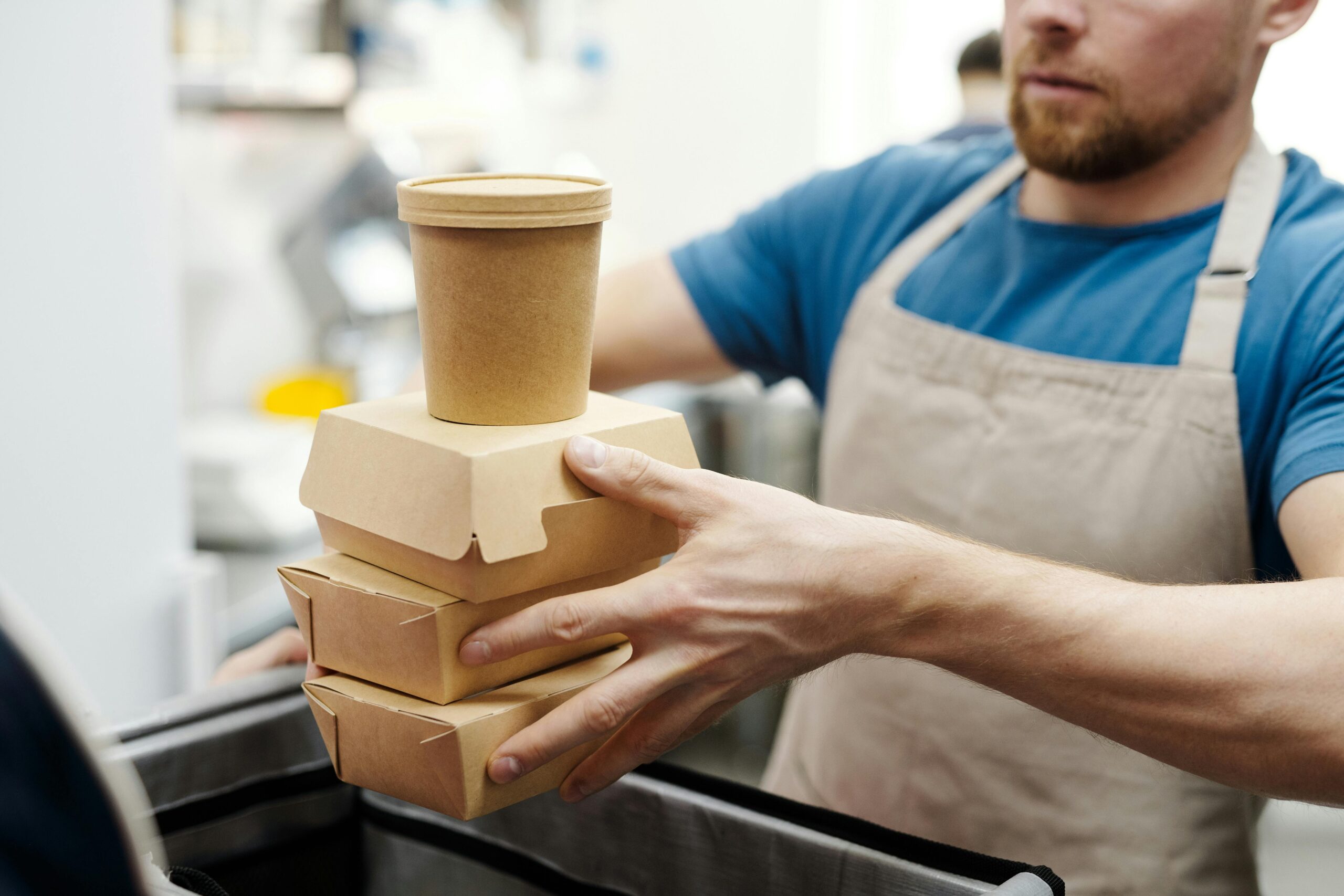
🏆 Determining the Winner: Context Is Everything
The question of which material “wins” the sustainable packaging battle defies simple answers. Each solution excels in specific contexts while falling short in others. Paper packaging remains unbeatable for certain applications requiring printability, cost-effectiveness, and established recycling pathways.
Molded pulp emerges as the superior choice for protective packaging replacing plastic foam, offering exceptional cushioning with strong environmental credentials. Its continued technological advancement positions it for expanded adoption across diverse industries.
Nonwovens claim victory in specialized applications requiring breathability, flexibility, and gentle protection. As natural fiber variants become more common and disposal infrastructure develops, nonwovens will likely capture additional market segments.
The ultimate winner is the integrated approach that matches material selection to specific application requirements, considering functionality, environmental impact, cost, and available end-of-life infrastructure. Forward-thinking companies are developing comprehensive packaging strategies that utilize multiple materials optimally rather than seeking a single universal solution.
As technology advances and sustainability expectations intensify, the competitive landscape will continue evolving. The real victory lies not in crowning a single champion but in the collective transition away from problematic plastics toward diverse, sustainable alternatives that together create a more circular packaging ecosystem.