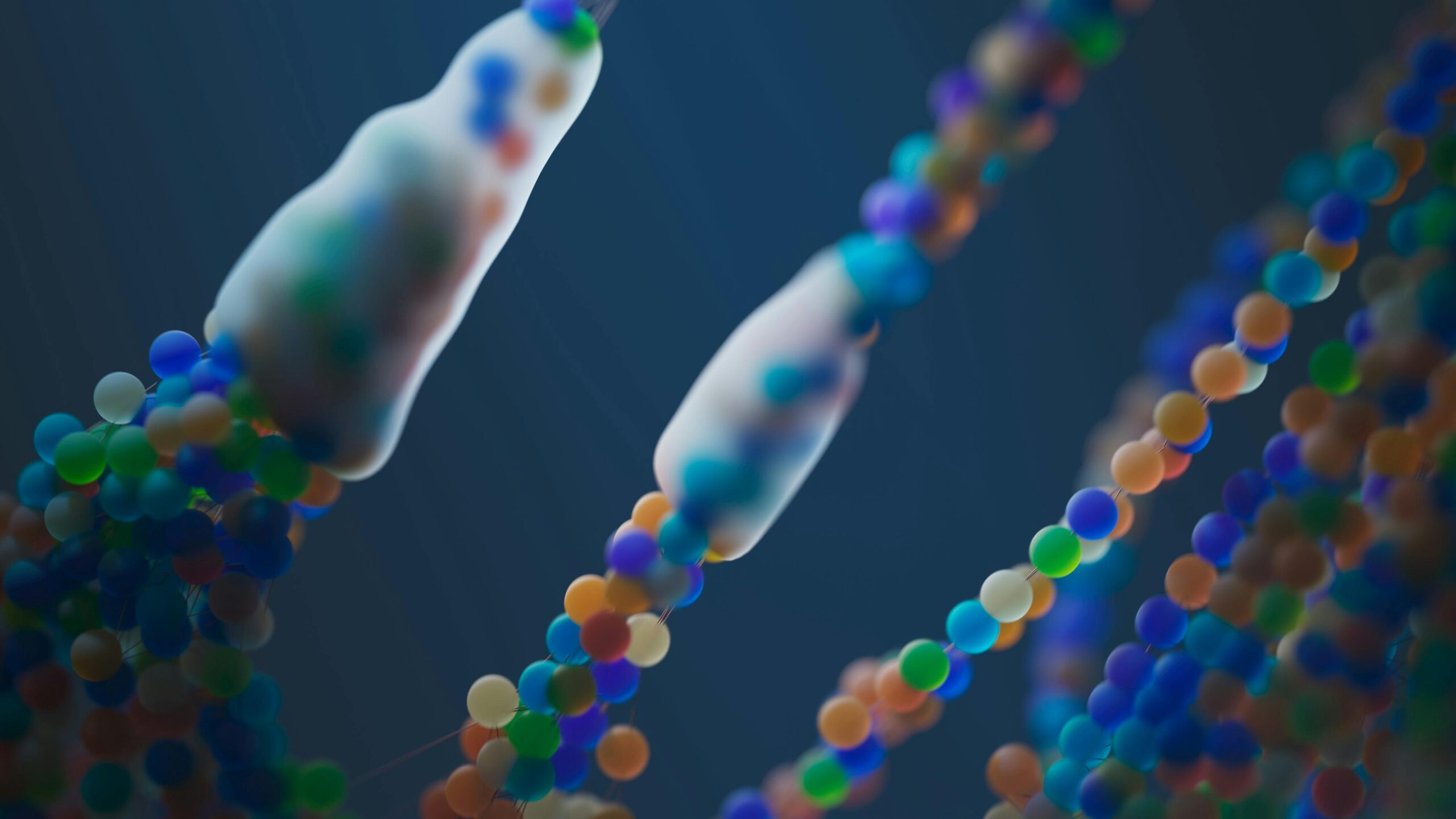
Fiber-based materials represent a cornerstone of modern technology, engineering, and daily life, shaping industries from telecommunications to textiles with remarkable versatility and performance. 🌐

The Fundamental Nature of Fiber Materials
Fiber-based materials constitute a broad category of substances characterized by their elongated, thread-like structures that possess length-to-diameter ratios significantly greater than conventional materials. These extraordinary components serve as building blocks for countless applications, ranging from the clothes we wear to the high-speed internet connections that power our digital world.
Understanding fiber materials requires examining their core characteristics at both microscopic and macroscopic levels. At the molecular level, fibers exhibit unique arrangements of atoms and polymers that contribute to their distinctive mechanical, thermal, and chemical properties. This intricate organization allows fibers to outperform bulk materials in specific applications where strength-to-weight ratio, flexibility, or surface area considerations are paramount.
The significance of fiber-based materials extends far beyond their physical presence. They represent a convergence of materials science, engineering innovation, and practical functionality that continues to drive technological advancement across multiple sectors. From carbon fiber composites in aerospace engineering to optical fibers revolutionizing communications, these materials demonstrate remarkable adaptability to human needs.
Classification and Types of Fiber Materials 🔬
Fiber materials can be broadly categorized into natural and synthetic varieties, each offering distinct advantages and characteristics suited to specific applications. This classification system helps researchers, engineers, and manufacturers select appropriate materials for their intended purposes.
Natural Fibers: Nature’s Engineering Marvels
Natural fibers have served humanity for millennia, derived from plant, animal, and mineral sources. Cotton, wool, silk, and hemp represent classic examples that continue to maintain relevance in modern applications. These fibers exhibit biodegradability, sustainability credentials, and unique tactile properties that synthetic alternatives often struggle to replicate.
Plant-based fibers such as cotton, flax, and jute derive their strength from cellulose polymers arranged in crystalline structures. Animal fibers like wool and silk contain protein-based compositions that provide exceptional insulation and moisture management properties. The inherent variability of natural fibers presents both challenges and opportunities for material scientists seeking to optimize their performance characteristics.
Synthetic Fibers: Precision-Engineered Performance
Synthetic fiber development emerged during the 20th century, introducing materials with precisely controlled properties tailored to specific requirements. Polyester, nylon, aramid, and carbon fibers exemplify this category, offering superior strength, durability, and consistency compared to many natural alternatives.
The manufacturing processes for synthetic fibers allow unprecedented control over molecular structure, fiber diameter, and surface characteristics. This precision engineering enables the creation of high-performance materials for demanding applications in aerospace, medical devices, protective equipment, and advanced composites. Synthetic fibers often demonstrate enhanced resistance to environmental degradation, chemical exposure, and mechanical stress.
Mechanical Properties: The Strength Within
The mechanical performance of fiber-based materials represents one of their most compelling attributes, determining suitability for structural applications and load-bearing scenarios. Understanding these properties requires examining several key parameters that define fiber behavior under various conditions.
Tensile strength measures a fiber’s resistance to breaking under tension, a critical characteristic for applications ranging from rope manufacturing to composite reinforcement. High-performance fibers like aramids and carbon fibers exhibit tensile strengths exceeding many traditional metals while maintaining significantly lower densities. This exceptional strength-to-weight ratio drives their adoption in aerospace, automotive, and sporting goods industries.
Elastic modulus quantifies fiber stiffness, indicating resistance to deformation under applied loads. Materials with high elastic moduli maintain dimensional stability under stress, making them ideal for structural reinforcement applications. The relationship between tensile strength and elastic modulus varies across fiber types, allowing engineers to select materials matching specific performance requirements.
Flexibility and Elongation Characteristics
Beyond raw strength, fiber flexibility and elongation properties determine their processability and end-use functionality. Some applications demand high flexibility to enable fabric draping or component flexibility, while others require minimal elongation to maintain precise dimensional control.
Natural fibers typically exhibit greater flexibility but lower tensile strength compared to high-performance synthetic alternatives. This trade-off influences material selection decisions across industries. Understanding the relationship between molecular structure, fiber diameter, and mechanical flexibility enables optimization of fiber properties for specific applications through material selection and processing techniques.
Physical and Chemical Properties That Matter ⚙️
The utility of fiber-based materials extends beyond mechanical performance to encompass diverse physical and chemical characteristics that determine their suitability for various environments and applications.
Thermal Behavior and Stability
Thermal properties significantly influence fiber performance in temperature-sensitive applications. Different fiber materials exhibit vastly different thermal stability ranges, with some natural fibers degrading at relatively low temperatures while specialized synthetic fibers maintain integrity in extreme heat.
Thermal conductivity determines how effectively fibers transfer heat, influencing their use in insulation, thermal management, and protective clothing applications. Low thermal conductivity fibers provide excellent insulation for clothing and building materials, while high conductivity fibers serve in thermal management systems for electronics and industrial equipment.
Glass transition temperature and melting point represent critical thresholds defining operational temperature ranges for synthetic fibers. Understanding these parameters ensures appropriate material selection for applications involving temperature extremes or thermal processing requirements.
Chemical Resistance and Durability
Chemical resistance determines fiber longevity and performance in challenging environments involving solvents, acids, bases, or reactive atmospheres. Synthetic fibers generally demonstrate superior chemical resistance compared to natural alternatives, though specific resistance profiles vary significantly across fiber types.
Moisture absorption characteristics affect dimensional stability, mechanical properties, and degradation rates. Hydrophobic fibers resist moisture uptake, maintaining consistent properties in humid environments, while hydrophilic fibers absorb water, affecting their weight, dimensions, and performance characteristics. This property influences applications in filtration, textiles, and composite materials.
Surface Properties and Interfacial Interactions 🔍
The surface characteristics of fiber materials profoundly impact their performance in composite structures, adhesion applications, and functional treatments. Surface energy, roughness, and chemical composition determine how fibers interact with surrounding matrices, coatings, and adjacent materials.
Surface modification techniques enable tailoring fiber properties to specific requirements without altering bulk characteristics. Plasma treatment, chemical coupling agents, and coating technologies enhance fiber-matrix adhesion in composite materials, improving mechanical performance and durability. These surface engineering approaches expand the application range of existing fiber materials while optimizing performance characteristics.
Wettability describes how liquids interact with fiber surfaces, influencing dyeing, coating, and impregnation processes. Controlling surface wettability enables development of water-repellent fabrics, enhanced composite manufacturing, and specialized filtration media. Understanding and manipulating surface properties represents a powerful tool for materials engineers seeking to optimize fiber performance.
Optical Fibers: Guiding Light Through Glass
Optical fiber technology represents a specialized application where material properties enable revolutionary telecommunications and sensing capabilities. These ultra-pure glass or plastic fibers transmit light signals over long distances with minimal loss, forming the backbone of modern internet infrastructure.
The fundamental principle underlying optical fiber operation involves total internal reflection, where light propagates through the fiber core by continuously reflecting off the cladding interface. This phenomenon requires precise control of refractive indices and material purity to minimize signal attenuation and maintain transmission quality over extended distances.
Single-mode and multi-mode optical fibers serve different applications based on core diameter and numerical aperture. Single-mode fibers enable long-distance, high-bandwidth transmissions for telecommunications networks, while multi-mode fibers provide cost-effective solutions for shorter-distance data center and local area network applications. The material properties of optical fibers—including transparency, refractive index uniformity, and mechanical flexibility—determine system performance and reliability.
Composite Materials: Synergistic Strength 💪
Fiber-reinforced composite materials represent perhaps the most impactful application of fiber technology, combining fiber strength with matrix materials to create structures exhibiting superior performance compared to conventional materials. These engineered systems leverage fiber properties while the matrix transfers loads, protects fibers, and provides shape stability.
Carbon fiber reinforced polymers exemplify high-performance composites, offering exceptional strength-to-weight ratios that drive adoption in aerospace, automotive, and sporting goods industries. Glass fiber composites provide more economical solutions for applications where moderate performance requirements and cost considerations favor these materials over exotic alternatives.
The orientation and distribution of fibers within composite structures profoundly influence mechanical properties and performance characteristics. Unidirectional fiber arrangements provide maximum strength along the fiber axis, while woven or randomly oriented configurations offer more balanced properties across multiple directions. Understanding these relationships enables engineers to design optimized structures matching specific loading conditions and performance requirements.
Sustainability and Environmental Considerations 🌱
Contemporary fiber material development increasingly emphasizes environmental sustainability, resource efficiency, and lifecycle considerations. The environmental impact of fiber production, use, and disposal influences material selection decisions across industries facing growing sustainability pressures.
Natural fibers offer inherent sustainability advantages through renewable sourcing and biodegradability, though cultivation practices and processing requirements affect overall environmental footprints. Synthetic fibers derived from petroleum feedstocks face scrutiny regarding resource depletion and end-of-life disposal challenges, driving innovation in bio-based synthetic alternatives and recycling technologies.
Circular economy principles increasingly influence fiber material development, emphasizing recyclability, material recovery, and closed-loop manufacturing systems. Recycled fiber technologies convert waste materials into valuable products, reducing resource consumption and environmental impacts while maintaining acceptable performance characteristics for many applications.
Manufacturing and Processing Technologies
The production of fiber-based materials involves sophisticated manufacturing processes that transform raw materials into functional products with precisely controlled properties. Understanding these processes provides insight into the capabilities and limitations of different fiber types.
Spinning processes convert polymer solutions or melts into continuous filaments through extrusion, drawing, and solidification steps. Wet spinning, dry spinning, and melt spinning represent primary techniques, each suited to specific polymer systems and fiber types. Process parameters including temperature, draw ratios, and cooling rates profoundly influence final fiber properties.
Post-processing treatments modify fiber characteristics to achieve desired performance attributes. Heat setting, surface treatments, and chemical modifications enhance dimensional stability, adhesion properties, and functional characteristics. These secondary processes expand application possibilities while optimizing fiber performance for specific requirements.
Emerging Applications and Future Directions 🚀
Innovation in fiber-based materials continues to unlock new applications and performance frontiers. Smart textiles incorporating conductive fibers enable wearable electronics, health monitoring systems, and interactive fabrics that respond to environmental stimuli. These developments blur traditional boundaries between materials science, electronics, and textile engineering.
Nanofiber technology produces ultra-fine fibers with diameters measured in nanometers, offering unprecedented surface area-to-volume ratios and unique properties. Applications range from advanced filtration media to drug delivery systems and tissue engineering scaffolds. The extreme fineness of nanofibers enables performance characteristics impossible to achieve with conventional fiber dimensions.
Biomedical applications increasingly leverage specialized fiber materials for surgical sutures, prosthetic devices, and tissue scaffolds. Biocompatibility requirements and degradation characteristics drive development of novel fiber compositions tailored to medical applications. The intersection of fiber technology and healthcare represents a rapidly growing field with significant potential for improving patient outcomes.
Testing and Characterization Methods
Accurate characterization of fiber properties requires sophisticated testing methodologies that quantify mechanical, physical, and chemical characteristics. Tensile testing measures strength, modulus, and elongation properties using standardized protocols that ensure reproducible results across laboratories and applications.
Microscopy techniques including scanning electron microscopy and atomic force microscopy reveal fiber surface morphology, cross-sectional structure, and dimensional characteristics at micro and nano scales. These visualization tools provide essential insights into fiber structure-property relationships and quality control parameters.
Thermal analysis methods such as differential scanning calorimetry and thermogravimetric analysis characterize thermal transitions, decomposition temperatures, and thermal stability. Spectroscopic techniques identify chemical composition and molecular structure, while mechanical analysis equipment quantifies dynamic mechanical properties under various conditions.
Optimizing Performance Through Material Selection
Selecting appropriate fiber materials for specific applications requires balancing multiple performance criteria, cost considerations, and processing requirements. No single fiber type excels across all property dimensions, necessitating careful evaluation of priorities and trade-offs.
Application-specific requirements drive material selection decisions. Structural applications prioritize mechanical strength and stiffness, while textile applications emphasize comfort, aesthetics, and care characteristics. Environmental conditions including temperature extremes, chemical exposure, and ultraviolet radiation influence material durability and long-term performance, requiring selection of fibers with appropriate resistance profiles.
Economic factors including raw material costs, processing complexity, and supply chain considerations affect material viability for commercial applications. High-performance specialty fibers justify premium costs in demanding applications, while commodity fibers serve price-sensitive markets where adequate performance meets requirements at acceptable costs.

The Future Landscape of Fiber Technology 🌟
The trajectory of fiber-based material development points toward increasingly sophisticated compositions, manufacturing processes, and applications. Computational modeling and artificial intelligence enable accelerated material discovery, predicting fiber properties and optimizing compositions without exhaustive experimental trials.
Multifunctional fibers incorporating multiple capabilities within single structures represent an exciting frontier. Fibers combining structural reinforcement with electrical conductivity, thermal management, or sensing capabilities enable new device architectures and system integration possibilities. These advanced materials challenge traditional distinctions between passive structural components and active functional elements.
Biomimetic approaches drawing inspiration from natural fiber structures guide development of novel synthetic materials exhibiting exceptional performance through hierarchical organization and optimized microstructures. Understanding how nature engineers high-performance fibers informs design strategies for next-generation synthetic alternatives that combine optimal properties with sustainable production methods.
The continued evolution of fiber-based materials promises transformative impacts across industries and applications. From enabling lighter, stronger structures to supporting advanced electronics and medical devices, these remarkable materials demonstrate enduring relevance and expanding capabilities. Understanding their fundamental properties and key characteristics empowers informed material selection, innovative application development, and continued advancement of this essential technology platform that touches virtually every aspect of modern life.