
The packaging industry stands at a critical crossroads where environmental responsibility meets innovative design, and mono-material biodegradable solutions are emerging as game-changers in sustainable commerce.

🌱 The Rising Tide of Sustainable Packaging Innovation
Traditional packaging materials have long been a significant contributor to global pollution, with multi-layered plastics and composite materials creating recycling nightmares that persist in landfills and oceans for centuries. The evolution toward eco-friendly packaging represents more than just a trend—it’s a fundamental shift in how businesses approach product protection and presentation while acknowledging their environmental footprint.
Mono-material biodegradable designs are revolutionizing this landscape by offering packaging solutions that utilize a single material type throughout the entire structure. This simplification eliminates the complex separation processes required for traditional multi-material packaging, making both recycling and biodegradation significantly more efficient and reliable.
Companies worldwide are recognizing that sustainable packaging isn’t merely an ethical choice but a strategic business decision. Consumers increasingly demand environmentally responsible products, with recent surveys indicating that over 70% of shoppers are willing to pay premium prices for goods packaged in sustainable materials. This consumer consciousness has catalyzed innovation across industries, from food service to electronics and fashion.
Understanding Mono-Material Packaging Architecture
Mono-material packaging refers to solutions constructed from a single polymer or material type, eliminating the need for adhesives, coatings, or layers of different substances that complicate end-of-life processing. This design philosophy prioritizes recyclability and biodegradability without compromising the protective and functional requirements that packaging must fulfill.
The genius of mono-material design lies in its elegant simplicity. Rather than combining plastics with aluminum, paper with plastic films, or other hybrid approaches, manufacturers engineer solutions using advanced material science to achieve all necessary properties—barrier protection, durability, printability, and structural integrity—within a single material framework.
Key Advantages of Single-Material Structures
- Enhanced Recyclability: Recycling facilities can process mono-material packaging with existing infrastructure without requiring sophisticated separation technologies
- Predictable Biodegradation: Single materials break down more uniformly in composting environments, leaving fewer problematic residues
- Simplified Manufacturing: Production processes become more streamlined when working with one material type, reducing energy consumption and manufacturing complexity
- Cost Efficiency: While initial material costs may be higher, reduced processing complexity and improved end-of-life value can offset expenses
- Regulatory Compliance: Meeting increasingly stringent environmental regulations becomes simpler with transparent, single-material compositions
🔬 Biodegradable Materials Leading the Revolution
The biodegradable packaging sector has witnessed remarkable material innovation in recent years, with several substance categories emerging as frontrunners in the sustainability revolution. These materials combine environmental credentials with the practical performance characteristics that modern packaging demands.
Polylactic acid (PLA) derived from fermented plant starches represents one of the most promising biodegradable polymers. PLA offers transparency, rigidity, and barrier properties comparable to traditional petroleum-based plastics, while completely biodegrading in industrial composting facilities within 90 to 180 days. Major brands have successfully deployed PLA packaging for products ranging from fresh produce containers to coffee capsules.
Polyhydroxyalkanoates (PHAs) are biopolymers produced by bacterial fermentation of sugars or lipids. Unlike PLA, PHAs can biodegrade in marine environments, soil, and home composting systems, not just industrial facilities. This versatility makes PHAs particularly valuable for applications where packaging might inadvertently enter natural ecosystems.
Natural Fiber-Based Solutions
Molded fiber packaging manufactured from recycled paper, bamboo, bagasse, or agricultural residues provides robust protection for products while offering complete biodegradability. These materials excel in applications requiring cushioning and structural support, such as protective packaging for electronics or egg cartons. Advanced processing techniques now enable molded fiber to achieve moisture resistance and printability that rivals synthetic alternatives.
Cellulose-based films derived from wood pulp are replacing plastic films in various applications. These transparent, flexible materials can be heat-sealed and printed upon, making them suitable for wrapping, pouches, and window applications in paperboard packaging. The cellulose films biodegrade in home composting conditions and can be manufactured from sustainably managed forestry sources.
Design Innovation Meets Environmental Responsibility
Creating effective mono-material biodegradable packaging requires reimagining traditional design approaches. Engineers and designers must consider the entire lifecycle from material sourcing through manufacturing, usage, and end-of-life disposal while maintaining product protection and aesthetic appeal.
Structural design optimization becomes paramount when working within single-material constraints. Advanced computer modeling and testing methodologies enable designers to maximize strength-to-weight ratios, create effective barrier properties through structural rather than material layering, and develop innovative closure mechanisms that don’t require different material types.
Balancing Protection with Sustainability
One of the greatest challenges in eco-friendly packaging design involves maintaining the protective functions that prevent product damage, spoilage, and waste. A sustainable package that fails to protect its contents ultimately creates greater environmental harm through product loss than a more durable conventional alternative.
Modern mono-material designs address this challenge through several strategies. Engineered surface treatments can enhance barrier properties without adding different material layers. Structural geometries distribute stress more effectively, reducing material requirements while maintaining strength. Smart design incorporates natural antimicrobial properties of certain biodegradable materials to extend product shelf life without chemical additives.
📊 Industry Applications Transforming Markets
The food and beverage sector has emerged as an early adopter of mono-material biodegradable packaging, driven by consumer preference and regulatory pressure. Fresh produce packaging now frequently utilizes PLA containers or cellulose-based films that maintain product freshness while offering composting compatibility. Quick-service restaurants are transitioning to molded fiber containers and PLA cups that can handle both hot and cold applications.
| Industry Sector | Common Applications | Primary Materials |
|---|---|---|
| Food Service | Containers, cutlery, cups | PLA, molded fiber, PHA |
| Retail Grocery | Produce bags, meat trays, bakery packaging | Cellulose films, PLA, paperboard |
| E-commerce | Protective padding, mailers, void fill | Molded fiber, mushroom packaging, paper |
| Cosmetics | Bottles, jars, tubes | Bio-PE, PLA, paperboard |
| Electronics | Protective inserts, outer boxes | Molded fiber, corrugated cardboard |
Fashion and Apparel Leading Change
The fashion industry, increasingly scrutinized for its environmental impact, is embracing mono-material packaging solutions. Biodegradable poly-mailers made from plant-based materials are replacing conventional plastic shipping bags. Luxury brands are developing elegant packaging from single-material paperboard that maintains premium aesthetics while communicating sustainability values to conscious consumers.
Innovative companies are even exploring mushroom mycelium packaging—grown rather than manufactured—which offers excellent cushioning properties and complete biodegradability. This biological approach represents the frontier of sustainable packaging innovation, where materials literally grow into desired shapes and then harmlessly decompose after use.
🌍 Environmental Impact and Lifecycle Assessment
Quantifying the environmental benefits of mono-material biodegradable packaging requires comprehensive lifecycle assessment that examines impacts from raw material extraction through end-of-life disposal. While these sustainable alternatives generally demonstrate superior environmental profiles, the full picture involves nuanced considerations.
Carbon footprint analysis typically shows significant advantages for bio-based packaging materials. Plant-derived polymers like PLA capture atmospheric carbon during growth, partially offsetting production emissions. Manufacturing processes for biodegradable materials often require less energy than petroleum-based plastic production, though this varies by specific material and production technology.
Water usage and land requirements present more complex considerations. Agricultural feedstocks for bioplastics require water and arable land, raising concerns about competition with food production. However, many biodegradable packaging materials utilize agricultural waste products, crop residues, or non-food crops grown on marginal land, minimizing these concerns when sourced responsibly.
The Composting Infrastructure Challenge
The promise of biodegradable packaging reaches full potential only when adequate end-of-life infrastructure exists. Industrial composting facilities operate under controlled conditions—specific temperatures, moisture levels, and microbial environments—that enable certified biodegradable materials to break down within predictable timeframes. Home composting systems typically cannot achieve these conditions, meaning some biodegradable packaging may persist longer in backyard compost bins.
Addressing this infrastructure gap requires coordinated efforts among packaging manufacturers, waste management systems, municipalities, and consumers. Progressive regions are expanding commercial composting access, implementing organics collection programs, and educating residents about proper disposal methods for compostable packaging materials.
Overcoming Technical and Economic Barriers
Despite remarkable progress, mono-material biodegradable packaging faces ongoing challenges that industry stakeholders are actively addressing. Cost competitiveness remains a significant consideration, with biodegradable materials often commanding premium prices compared to conventional plastics. However, scaling production, technological improvements, and increasing petroleum prices are steadily narrowing this gap.
Performance limitations in certain applications continue to drive research and development. Moisture barrier properties, heat resistance, and extended shelf-life requirements can challenge some biodegradable materials. Material scientists are responding with innovations like plasma treatments, bio-based coatings, and hybrid approaches that maintain mono-material recyclability while enhancing performance characteristics.
Standardization and Certification Clarity
Consumers and businesses alike benefit from clear standards and certifications that verify sustainability claims. Organizations like the Biodegradable Products Institute (BPI), European Bioplastics, and various national standards bodies provide certification programs that test and verify compostability claims under specific conditions. These certifications combat greenwashing and help consumers make informed choices.
However, terminology remains confusing for many consumers. Terms like “biodegradable,” “compostable,” “bio-based,” and “recyclable” have distinct meanings that aren’t always clearly communicated on packaging. Industry-wide efforts to standardize labeling and improve consumer education are essential for maximizing the environmental benefits of sustainable packaging innovations.
💡 Future Horizons in Sustainable Packaging
The trajectory of eco-friendly packaging innovation points toward increasingly sophisticated solutions that push beyond current limitations. Emerging technologies promise packaging materials with enhanced functionality, lower environmental impact, and seamless integration into circular economy systems.
Edible packaging represents one fascinating frontier, with films and coatings manufactured from proteins, polysaccharides, and lipids that can be safely consumed along with food products. These innovations eliminate waste entirely while potentially delivering nutritional benefits or flavor enhancement. Applications range from edible water pods to dissolvable coffee capsules and consumable food wrappings.
Smart biodegradable packaging incorporating sensors and indicators offers enhanced functionality without compromising sustainability. Researchers are developing compostable electronics using organic semiconductors and natural substrates that enable temperature monitoring, freshness indication, and supply chain tracking while maintaining complete biodegradability.
Artificial Intelligence Optimizing Design
Machine learning algorithms are accelerating the development of optimized mono-material designs by rapidly testing thousands of structural configurations and material formulations virtually. This computational approach identifies high-performance solutions that human designers might overlook, reducing material usage while maintaining protective functions and manufacturability.
AI-driven systems also optimize supply chains for biodegradable packaging materials, predicting demand patterns, identifying efficient transportation routes, and matching material characteristics to specific application requirements. These intelligent systems reduce waste throughout the packaging lifecycle while lowering costs and environmental impacts.
🤝 Collaborative Ecosystems Driving Change
The transformation toward sustainable packaging requires unprecedented collaboration among diverse stakeholders. Material scientists, packaging engineers, brand owners, retailers, waste management companies, policymakers, and consumers must work together to create systems that support eco-friendly packaging throughout its lifecycle.
Industry consortiums and research partnerships are accelerating innovation by sharing knowledge, pooling resources, and establishing common standards. These collaborative efforts reduce duplication, spread development costs across multiple participants, and accelerate the transition from laboratory concepts to commercial-scale implementations.
Forward-thinking companies are forming circular economy partnerships that close the loop on packaging materials. Brands commit to using recycled or renewable content, waste management companies develop specialized collection and processing systems, and material manufacturers create supply chains for recovered resources. These integrated ecosystems demonstrate that sustainability and profitability can align when stakeholders commit to systemic change.
Empowering Consumer Participation
Ultimately, the success of mono-material biodegradable packaging depends significantly on consumer behavior and awareness. Educated consumers make purchasing decisions that reward sustainable practices, properly dispose of compostable packaging, and advocate for improved waste management infrastructure in their communities.
Clear communication on packaging helps consumers understand proper disposal methods. Simple, intuitive graphics indicating whether items belong in recycling bins, composting streams, or general waste remove confusion and increase compliance with proper disposal protocols. QR codes linking to detailed sustainability information enable interested consumers to learn more without cluttering package design.
Brand transparency about sustainability initiatives builds consumer trust and loyalty. Companies that openly share their environmental goals, progress metrics, and ongoing challenges demonstrate authentic commitment rather than superficial greenwashing. This honest communication fosters consumer partnerships in sustainability journeys rather than one-directional marketing messages.
🌟 The Business Case for Sustainable Packaging
Beyond ethical considerations, compelling business rationales drive adoption of mono-material biodegradable packaging. Brand differentiation in crowded markets increasingly depends on demonstrable sustainability credentials. Companies pioneering eco-friendly packaging capture market share among environmentally conscious consumers while building brand equity and customer loyalty.
Risk mitigation represents another significant business driver. Regulatory landscapes worldwide are tightening restrictions on conventional plastics and packaging waste. Companies investing proactively in sustainable alternatives position themselves advantageously as regulations evolve, avoiding costly last-minute transitions and potential non-compliance penalties.
Long-term cost structures favor sustainable packaging as production scales and material technologies mature. Reduced waste disposal fees, improved brand perception enabling premium pricing, and operational efficiencies from simplified materials management create financial benefits that compound over time. Progressive companies view sustainable packaging investments as strategic positioning rather than compliance costs.
Transforming Packaging for a Sustainable Future
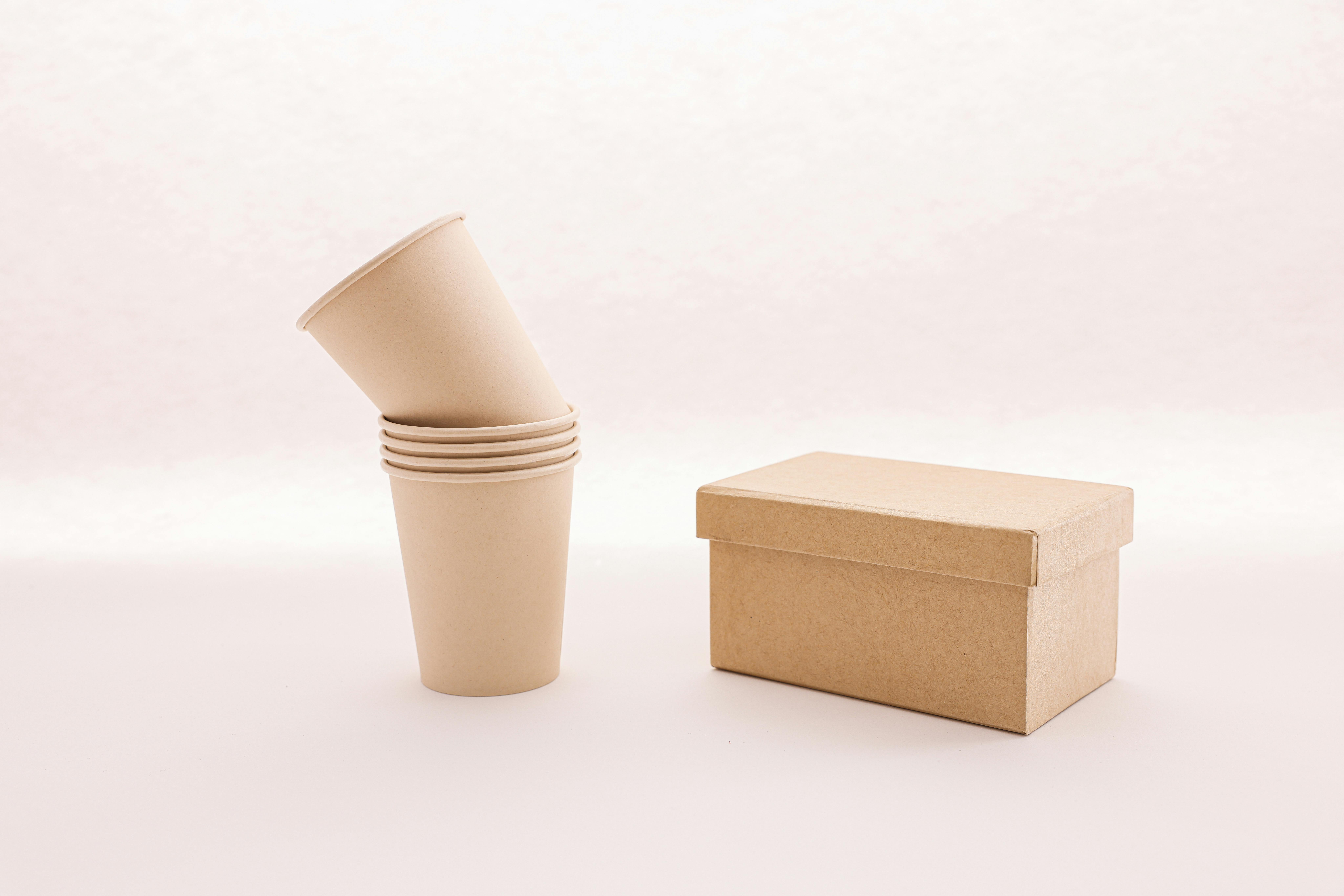
The revolution in eco-friendly packaging through mono-material biodegradable designs represents far more than incremental improvement—it signals a fundamental reimagining of how we protect, present, and dispose of the products that move through global commerce. These innovations demonstrate that environmental responsibility and functional performance need not conflict when approached with creativity, scientific rigor, and systems-level thinking.
As materials science advances, manufacturing processes improve, infrastructure expands, and consumer awareness grows, the advantages of sustainable packaging will become increasingly compelling. The companies, industries, and communities embracing these innovations today are positioning themselves as leaders in the inevitable transition toward circular, regenerative economic systems that respect planetary boundaries while meeting human needs.
The journey toward truly sustainable packaging continues, with ongoing challenges requiring persistent innovation and collaboration. Yet the progress already achieved proves that different approaches are possible, practical, and increasingly preferable. Mono-material biodegradable packaging isn’t merely an alternative to conventional solutions—it represents the emerging standard for responsible commerce in an era demanding environmental accountability and regenerative business practices. 🌿