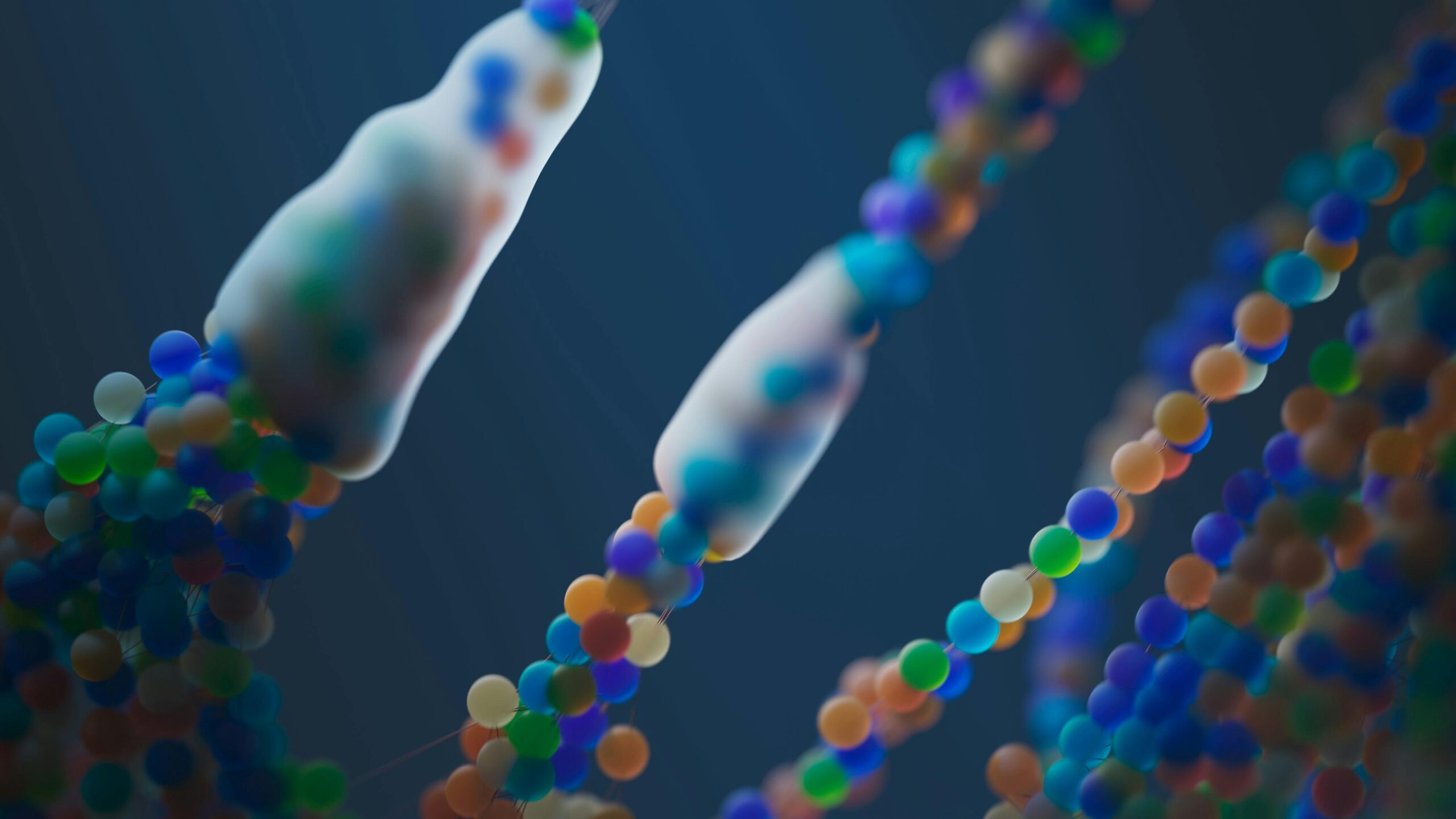
The quest for sustainable materials has led scientists to explore algae-based polymers as a revolutionary alternative to conventional plastics, promising reduced environmental impact and circular economy potential. 🌱

The Rising Tide of Biopolymer Innovation
As the world grapples with mounting plastic pollution and climate change, the search for eco-friendly materials has intensified dramatically. Traditional petroleum-based polymers have dominated manufacturing for decades, but their environmental footprint has become increasingly unsustainable. Algae-based polymers represent a paradigm shift in materials science, offering renewable feedstock that doesn’t compete with food production and can actually sequester carbon dioxide during growth.
The global bioplastics market is projected to reach substantial heights, with algae-based materials emerging as frontrunners in the green innovation race. These marine organisms grow rapidly, require minimal resources, and can be cultivated in various water sources including saltwater, wastewater, and even industrial effluents. This versatility positions algae as an extraordinarily promising raw material for polymer production.
However, the environmental credentials of any material cannot be assumed based solely on its biological origin. This is where Life-Cycle Assessment (LCA) becomes indispensable, providing a comprehensive framework to evaluate the true environmental impact of algae-based polymers from cultivation to disposal.
Understanding Life-Cycle Assessment: The Complete Environmental Picture 🔍
Life-Cycle Assessment is a standardized methodology that examines environmental impacts across all stages of a product’s existence. For algae-based polymers, this encompasses cultivation, harvesting, processing, manufacturing, distribution, use, and end-of-life scenarios. The ISO 14040 and 14044 standards govern LCA practices, ensuring consistency and comparability across studies.
The LCA framework divides analysis into four distinct phases: goal and scope definition, inventory analysis, impact assessment, and interpretation. Each phase provides critical insights into environmental performance, revealing potential hotspots where improvements can be made.
Key Environmental Indicators in Polymer Assessment
When evaluating algae-based polymers through LCA, researchers examine multiple environmental impact categories:
- Carbon footprint: Total greenhouse gas emissions expressed in CO2 equivalents
- Energy consumption: Both renewable and non-renewable energy inputs throughout the life cycle
- Water usage: Freshwater consumption and aquatic ecosystem impacts
- Eutrophication potential: Nutrient runoff effects on water bodies
- Land use: Space requirements for cultivation systems
- Acidification: Atmospheric emissions contributing to acid rain
- Toxicity: Human and ecological toxicity from chemicals used in processing
The Algae Advantage: Natural Carbon Capture Factories
Algae possess remarkable photosynthetic efficiency, converting sunlight and CO2 into biomass at rates far exceeding terrestrial plants. Some species can double their biomass within 24 hours under optimal conditions. This rapid growth means algae cultivation actively removes carbon dioxide from the atmosphere, potentially creating carbon-negative materials when properly managed.
Studies have demonstrated that algae can capture approximately 1.8 kg of CO2 for every kilogram of biomass produced. When this biomass is transformed into polymers that sequester carbon for extended periods, the climate benefits multiply. This carbon capture capability represents a fundamental advantage over petroleum-based plastics, which release previously sequestered carbon into the atmosphere.
Furthermore, algae cultivation doesn’t require arable land, eliminating competition with food crops—a critical concern with first-generation biofuels and some plant-based polymers. Offshore cultivation systems, photobioreactors, and wastewater integration offer diverse pathways for sustainable production scaling.
From Ocean to Polymer: The Production Journey Examined 🌊
The transformation of algae into usable polymers involves several energy-intensive stages, each contributing to the overall environmental profile. LCA studies reveal that these processing steps often represent the most significant environmental impacts in the production chain.
Cultivation Systems and Their Footprints
Algae can be grown in open ponds or closed photobioreactors, each system presenting distinct environmental trade-offs. Open pond systems require less capital investment and energy but offer lower productivity and greater contamination risks. Photobioreactors provide controlled environments with higher yields but demand substantial energy for temperature control, mixing, and CO2 delivery.
Recent LCA studies comparing these systems have revealed surprising insights. While photobioreactors consume more operational energy, their higher productivity per square meter can result in lower overall environmental impacts per kilogram of polymer produced. The geographic location significantly influences these outcomes, with solar-powered systems in sunny climates showing markedly better performance.
Harvesting and Dewatering: The Energy Challenge
Algae cultivation produces dilute suspensions, typically containing only 0.02-0.05% biomass by weight. Concentrating this biomass requires substantial energy input, often representing 20-30% of total production energy in LCA analyses. Technologies including centrifugation, filtration, flocculation, and flotation each carry different energy demands and chemical requirements.
Innovative approaches combining multiple techniques or utilizing gravity-based settlement can dramatically reduce energy consumption. Some facilities now employ bio-flocculants derived from the algae themselves, eliminating synthetic chemical inputs and improving LCA outcomes.
Polymer Extraction and Processing: Where Chemistry Meets Sustainability ⚗️
Converting algal biomass into polymers requires extracting specific compounds—primarily polyhydroxyalkanoates (PHAs), starches, or cellulose—then processing them into usable materials. This transformation stage critically influences environmental performance.
PHAs are naturally produced by certain algae species as energy storage compounds. These biodegradable polymers offer properties comparable to conventional plastics but break down in marine environments within months rather than centuries. However, extracting PHAs typically requires solvents and energy-intensive purification, impacting the overall LCA profile.
Recent advances in green chemistry have introduced supercritical CO2 extraction, enzymatic processing, and aqueous extraction methods that significantly reduce chemical inputs and energy requirements. LCA studies incorporating these innovations demonstrate environmental impact reductions of 30-50% compared to conventional extraction methods.
Comparative Analysis: Algae Polymers Versus Conventional Alternatives
The ultimate test of algae-based polymers lies in their environmental performance compared to established materials. Comprehensive LCA studies have compared these biopolymers against petroleum-based plastics and other bio-based alternatives like corn-based PLA and sugarcane-based polyethylene.
| Material Type | Carbon Footprint (kg CO2-eq/kg) | Energy Use (MJ/kg) | Water Consumption (L/kg) |
|---|---|---|---|
| Petroleum-based PE | 3.5-4.2 | 78-85 | 12-18 |
| Corn-based PLA | 2.0-2.8 | 54-68 | 850-1200 |
| Algae-based PHA | 1.2-2.5 | 45-75 | 15-35 |
These figures demonstrate that algae-based polymers generally outperform conventional plastics in carbon emissions while using significantly less water than terrestrial crop-based alternatives. However, energy consumption varies considerably depending on production system efficiency and regional energy sources.
When the electricity grid is powered predominantly by renewable energy, algae polymers show remarkable environmental advantages. Conversely, production in regions dependent on coal-fired electricity can diminish or even negate climate benefits—a crucial consideration for strategic facility placement.
The End-of-Life Equation: Biodegradability in Context 🌍
One of the most compelling attributes of algae-based polymers is their biodegradability, but LCA reveals this characteristic requires nuanced interpretation. Not all environments support rapid biodegradation, and the end-of-life scenario dramatically affects overall environmental performance.
PHAs derived from algae can biodegrade in marine environments, soil, and industrial composting facilities—a significant advantage over conventional plastics. However, if these materials end up in landfills where anaerobic conditions prevail, biodegradation produces methane, a potent greenhouse gas. LCA studies must account for realistic end-of-life scenarios, not idealized conditions.
Optimal environmental outcomes occur when algae polymers enter circular economy systems: industrial composting that captures biogas for energy, controlled biodegradation in appropriate environments, or chemical recycling that recovers monomers for new polymer production. Infrastructure development for these pathways remains critical for realizing the full environmental potential of these materials.
Scaling Challenges: What LCA Reveals About Commercial Production 📊
Most LCA studies on algae-based polymers examine pilot-scale or laboratory production, raising questions about environmental performance at commercial scales. Economies of scale typically improve environmental metrics, but infrastructure requirements and supply chain complexity introduce new considerations.
Large-scale algae cultivation requires significant capital investment in cultivation systems, processing facilities, and distribution networks. The embodied environmental impact of this infrastructure must be amortized across the facility lifetime, affecting LCA outcomes. Studies suggest that facilities operating for 20+ years at high capacity utilization show substantially better environmental performance than smaller operations.
Geographic considerations become increasingly important at scale. Co-locating algae facilities with industrial CO2 sources (power plants, cement factories, breweries) enables carbon capture while reducing cultivation costs. Integrating with wastewater treatment plants provides nutrient sources while delivering water remediation benefits not typically captured in standard LCA frameworks.
Innovation Frontiers: Enhancing Environmental Performance Through Technology 💡
Ongoing research continually improves the environmental profile of algae-based polymers. Genetic engineering creates strains with higher polymer yields, reducing cultivation area and energy requirements per kilogram of product. Metabolic engineering optimizes polymer composition for specific applications, eliminating processing steps and associated environmental impacts.
Artificial intelligence and machine learning now optimize cultivation conditions in real-time, maximizing productivity while minimizing energy and nutrient inputs. These digital technologies can reduce energy consumption by 15-25% compared to static operating parameters, significantly improving LCA outcomes.
Hybrid systems combining algae cultivation with other biotechnological processes show particular promise. Integrated approaches that produce polymers alongside high-value compounds (omega-3 fatty acids, pigments, proteins) distribute environmental impacts across multiple products, improving the economic and environmental proposition for each.
Policy Implications and Market Transformation 🌐
LCA findings increasingly influence policy decisions and market dynamics. The European Union’s Green Deal and circular economy action plans explicitly consider life-cycle environmental performance when supporting bio-based industries. Similar frameworks are emerging in Asia, North America, and other regions, creating regulatory environments that favor materials with superior LCA profiles.
Consumer brands committed to sustainability targets are scrutinizing supplier environmental data with unprecedented rigor. LCA-verified environmental claims provide competitive advantages in markets where greenwashing concerns have created skepticism toward bio-based marketing. Third-party LCA certification is becoming standard practice for algae polymer producers serving major brands.
Carbon pricing mechanisms and plastic taxes further alter the economic landscape, making the environmental advantages of algae polymers increasingly relevant to financial decision-making. As carbon costs rise, materials with lower life-cycle emissions gain economic advantages that complement their environmental benefits.
Realizing the Promise: Pathways to Environmental Optimization 🎯
LCA studies consistently identify specific opportunities for reducing the environmental impact of algae-based polymers. Prioritizing renewable energy for cultivation and processing emerges as the single most impactful intervention in most analyses. Facilities powered by solar, wind, or other renewable sources can achieve carbon-negative production when accounting for carbon sequestration during algae growth.
Water recycling systems that minimize freshwater consumption while maintaining culture health represent another critical optimization pathway. Closed-loop nutrient management reduces eutrophication potential and operational costs simultaneously.
Strategic integration with existing industrial systems—wastewater treatment, CO2 capture, renewable energy facilities—creates synergies that improve environmental performance across multiple sectors. These industrial ecology approaches reflect systems-thinking that LCA methodology inherently supports.
Beyond Environmental Metrics: The Broader Sustainability Picture
While LCA focuses on environmental impacts, comprehensive sustainability assessment requires considering social and economic dimensions. Algae polymer production can generate rural employment, reduce dependence on fossil fuel imports, and support coastal communities through aquaculture diversification.
Economic viability remains essential for environmental benefits to materialize at scale. Current production costs for algae polymers typically exceed conventional plastics by 2-4 times, though this gap narrows as technology improves and carbon pricing increases. LCA insights guide process optimization that simultaneously reduces costs and environmental impacts—a virtuous cycle that accelerates market adoption.
Social acceptance and consumer behavior significantly influence real-world environmental outcomes. Education about proper disposal and the capabilities of biodegradable materials ensures that environmental benefits designed into products are actually realized at end-of-life.
The Evolving Science: Continuous Assessment and Improvement 🔬
Life-Cycle Assessment is not a one-time exercise but an ongoing process of evaluation and refinement. As production technologies mature, supply chains develop, and end-of-life infrastructure expands, LCA findings evolve. Algae polymer producers committed to transparency conduct regular LCA updates, documenting environmental performance improvements and identifying remaining challenges.
Standardization efforts within the algae industry aim to establish consistent LCA methodologies that enable fair comparisons between products and producers. Industry associations are developing Product Category Rules (PCRs) specific to algae-based materials, providing frameworks for Environmental Product Declarations (EPDs) that communicate verified environmental performance.
The integration of real-time monitoring data with LCA modeling represents an emerging frontier. Sensors tracking energy consumption, water use, and emissions throughout production enable dynamic LCA that reflects actual performance rather than theoretical scenarios, increasing accuracy and credibility.
Charting the Course: Future Directions in Algae Polymer Development
The trajectory of algae-based polymer development points toward increasingly sophisticated materials with progressively better environmental profiles. Fourth-generation cultivation systems using LED lighting optimized to algae photosynthetic spectra achieve unprecedented productivity while minimizing energy waste. Offshore cultivation platforms leverage ocean resources without requiring coastal land, opening vast production potential.
Material science innovations are creating algae polymers with properties matching or exceeding petroleum-based plastics, eliminating performance compromises that previously limited applications. High-performance algae polymers now find uses in packaging, automotive components, textiles, and consumer goods—each application representing displacement of conventional materials with higher environmental impacts.
The convergence of biotechnology, materials science, and environmental assessment is accelerating innovation cycles. What required years of development a decade ago now progresses in months, driven by sophisticated modeling, high-throughput screening, and integrated LCA that identifies optimal pathways before physical production begins.
As climate urgency intensifies and circular economy principles gain traction, algae-based polymers assessed through rigorous Life-Cycle Assessment are emerging not as niche alternatives but as mainstream materials for a sustainable future. The journey from ocean to polymer to renewed life represents more than technological achievement—it embodies a fundamental reimagining of our relationship with materials, waste, and the planet itself. Through continued innovation, transparent assessment, and systemic integration, these remarkable biopolymers can deliver on their environmental promise, transforming industries while treading lightly on Earth. 🌊♻️