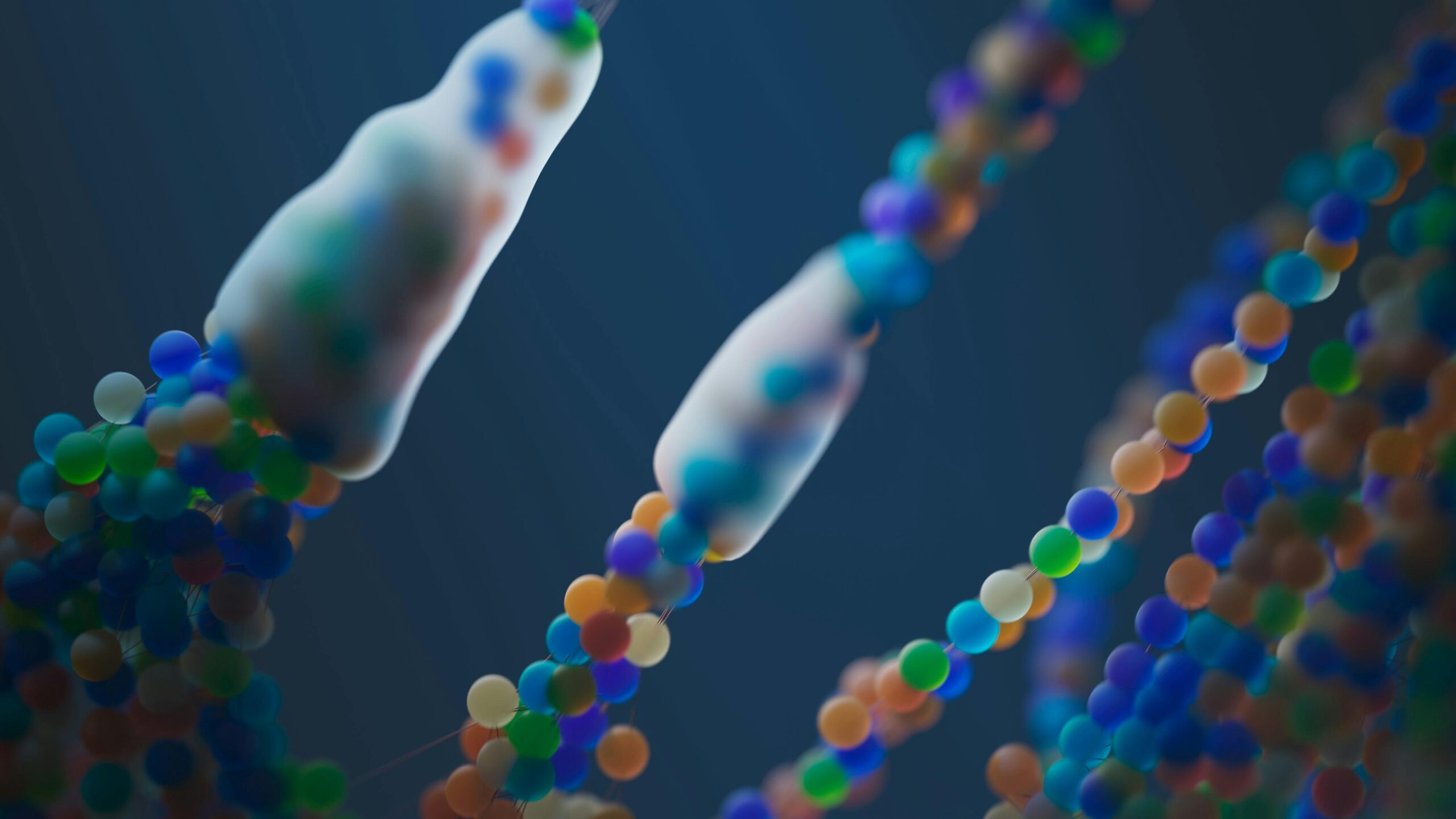
The future of sustainable materials is being written in the language of nature, and algae-based polymers are emerging as revolutionary players in the quest for eco-friendly innovation.

🌊 The Dawn of Algae-Based Material Science
In an era where plastic pollution has reached crisis levels and traditional petroleum-based materials continue to dominate our manufacturing landscape, scientists and innovators are turning to an unexpected hero: algae. These microscopic organisms, often overlooked as mere pond scum, are proving to be powerhouses of sustainable material production. Algae-based polymers represent a paradigm shift in how we think about materials, offering a renewable, biodegradable alternative that could fundamentally transform industries ranging from packaging to automotive manufacturing.
The urgency for sustainable alternatives has never been more apparent. With approximately 300 million tons of plastic produced globally each year, and only a fraction being recycled, the environmental consequences are devastating. Oceans are filled with plastic debris, landfills are overflowing, and microplastics have infiltrated every corner of our ecosystem. Algae-based polymers offer a solution that addresses these concerns while simultaneously creating new economic opportunities and reducing our carbon footprint.
Understanding the Science Behind Algae Polymers
Algae are remarkably efficient biological factories. Through photosynthesis, these organisms convert sunlight, water, and carbon dioxide into biomass at rates that far exceed terrestrial plants. What makes algae particularly valuable for polymer production is their ability to produce various biopolymers naturally, including polyhydroxyalkanoates (PHAs), polysaccharides, and proteins that can be processed into functional materials.
The extraction and processing of algae-based polymers typically involve cultivating algae in controlled environments, harvesting the biomass, and then extracting or synthesizing polymer precursors. Different species of algae offer different properties. For instance, brown algae contain alginates, which are polysaccharides with excellent gel-forming properties. Green algae and cyanobacteria can be engineered to produce PHAs, which are true thermoplastics with properties similar to conventional plastics.
The Cultivation Advantage 🌱
One of the most compelling aspects of algae cultivation is its minimal environmental impact. Unlike traditional crops used for bioplastics like corn or sugarcane, algae don’t require arable land, freshwater, or pesticides. They can be grown in saltwater, wastewater, or even industrial effluent, turning waste streams into valuable resources. This characteristic alone positions algae-based polymers as significantly more sustainable than even other bio-based alternatives.
Algae farms can be established in various configurations, from open pond systems to closed photobioreactors. Each system has its advantages: open ponds are cost-effective and scalable, while photobioreactors offer better control over contamination and growth conditions. The choice depends on the specific algae species being cultivated and the target polymer properties desired.
Types of Algae-Based Polymers and Their Applications
The diversity of algae species translates into a wide range of polymer types, each with unique properties and applications. Understanding these variations is crucial for matching the right material to the right application.
Alginate-Based Materials
Derived primarily from brown seaweeds, alginates are among the most commercially developed algae-based polymers. These polysaccharides exhibit excellent biocompatibility and biodegradability, making them ideal for medical applications, food packaging, and textile manufacturing. Alginate films and coatings are already being used in wound dressings, drug delivery systems, and as biodegradable packaging for fresh produce.
Polyhydroxyalkanoates (PHAs)
PHAs represent the holy grail of algae-based polymers because they can directly replace petroleum-based plastics in many applications. These polyesters are produced naturally by certain algae and cyanobacteria as energy storage compounds. PHAs are fully biodegradable in various environments, including marine and soil conditions, yet they possess mechanical properties comparable to polypropylene and polyethylene.
Carrageenan Polymers
Extracted from red algae, carrageenans are sulfated polysaccharides used extensively in food, pharmaceutical, and cosmetic industries. While traditionally used as thickening and gelling agents, research is expanding their applications into biodegradable films and hydrogels for advanced material applications.
🚀 Revolutionary Applications Transforming Industries
The potential applications of algae-based polymers span virtually every sector of modern industry. Early adopters are already demonstrating the viability and benefits of these materials in real-world applications.
Packaging Revolution
The packaging industry is experiencing perhaps the most immediate transformation. Several companies have already launched algae-based packaging materials that are not only biodegradable but also edible in some cases. These materials can replace plastic films, bottles, and containers, offering barrier properties that protect contents while breaking down harmlessly after disposal. Some innovative designs even incorporate nutrients that can benefit soil or marine environments during degradation.
Fashion and Textiles
The fashion industry, notorious for its environmental impact, is embracing algae-based materials with enthusiasm. Designers are creating fabrics from algae-derived fibers that are soft, durable, and sustainable. These textiles offer moisture-wicking properties, natural UV protection, and antimicrobial characteristics. Companies are producing everything from everyday clothing to high-performance athletic wear using these innovative materials.
Automotive and Construction
Perhaps surprisingly, algae-based polymers are finding applications in automotive interiors and construction materials. Composite materials incorporating algae-based binders and reinforcements are being developed for car dashboards, door panels, and structural components. In construction, algae polymers are being explored for insulation materials, biodegradable formwork, and even as additives in concrete to improve performance and reduce carbon footprint.
Environmental Benefits: Beyond Carbon Neutrality
The environmental advantages of algae-based polymers extend far beyond simply being biodegradable. The entire lifecycle of these materials offers multiple ecological benefits that traditional materials cannot match.
During cultivation, algae actively sequester carbon dioxide from the atmosphere or industrial exhaust streams. Some estimates suggest that algae cultivation could capture up to 2 kilograms of CO2 for every kilogram of biomass produced. This means that algae-based polymer production is not just carbon-neutral but potentially carbon-negative, actively removing greenhouse gases from the atmosphere.
Water usage is another critical environmental consideration. Unlike conventional agriculture or even some bioplastic crops, algae cultivation can utilize non-potable water sources, including seawater and wastewater. Some advanced systems are designed to treat wastewater while simultaneously producing biomass for polymer production, creating a circular economy model where waste becomes a resource.
Biodegradation and End-of-Life Advantages ♻️
Perhaps the most significant environmental benefit is the end-of-life behavior of algae-based polymers. Unlike conventional plastics that persist in the environment for hundreds of years, these materials can biodegrade completely within months under appropriate conditions. Some formulations are designed to break down in marine environments, addressing the critical issue of ocean plastic pollution. Others are optimized for industrial composting facilities or even home composting systems.
Current Challenges and Research Frontiers
Despite their tremendous potential, algae-based polymers face several challenges that researchers and industry leaders are actively addressing. Understanding these obstacles is essential for appreciating both the current state and future trajectory of this technology.
Scaling Production
One of the primary challenges is scaling production from laboratory and pilot plant levels to industrial volumes. While small-scale production has proven technically feasible, achieving economies of scale requires significant infrastructure investment and optimization of cultivation and processing techniques. The cost per kilogram of algae-based polymers remains higher than conventional plastics, though this gap is narrowing as technology improves and oil prices fluctuate.
Material Properties Optimization
While algae-based polymers show promising properties, fine-tuning these materials to match or exceed the performance characteristics of conventional plastics in specific applications remains an ongoing challenge. Researchers are working on improving mechanical strength, thermal stability, barrier properties, and durability through various approaches including chemical modifications, blending with other biopolymers, and genetic engineering of algae strains.
Processing Technology
Existing manufacturing equipment and processes are designed for petroleum-based polymers. Adapting or developing new processing technologies for algae-based materials requires innovation in extrusion, molding, and fabrication techniques. Some algae polymers require different temperature profiles, moisture conditions, or additives compared to conventional plastics.
🔬 Innovation Spotlight: Breakthrough Technologies
The field of algae-based polymers is experiencing rapid innovation, with new breakthroughs regularly pushing the boundaries of what’s possible. Several emerging technologies are particularly promising for accelerating the adoption of these sustainable materials.
Genetic Engineering and Synthetic Biology
Scientists are using genetic engineering to create algae strains that produce higher yields of specific polymers or generate entirely new polymer types with tailored properties. Synthetic biology approaches are enabling the design of algae that can thrive in specific conditions, resist contamination, or produce polymers with predetermined molecular structures. These advances are significantly improving the economics and versatility of algae-based polymer production.
Hybrid Materials and Composites
Innovative research is exploring combinations of algae-based polymers with other sustainable materials to create hybrid composites with superior properties. For example, combining algae polymers with natural fibers like hemp or bamboo creates materials with exceptional strength-to-weight ratios. Other researchers are developing multi-layer materials that incorporate algae polymers alongside other biopolymers to achieve specific barrier or mechanical properties.
Economic Viability and Market Outlook
The commercial landscape for algae-based polymers is evolving rapidly, with market analysts projecting significant growth in the coming decades. The global bioplastics market is expected to reach $27 billion by 2025, with algae-based materials capturing an increasing share as production scales and costs decrease.
Investment in algae-based polymer companies has increased substantially, with venture capital, corporate investors, and governments recognizing the strategic importance of sustainable materials. Several startups have achieved significant milestones, moving from research and development to commercial production and market entry.
Government policies and regulations are also driving adoption. Plastic bans, extended producer responsibility schemes, and sustainability mandates are creating market pull for alternatives to conventional plastics. Companies are increasingly setting ambitious sustainability goals that include transitioning to bio-based materials, creating additional demand for algae-based polymers.
🌍 Global Leadership and Regional Developments
Different regions are taking unique approaches to developing algae-based polymer industries, reflecting their specific resources, priorities, and market conditions.
Europe has emerged as a leader in algae-based material research and implementation, driven by strong environmental regulations and substantial public funding for sustainable technologies. The European Union’s circular economy initiatives and plastic reduction strategies have accelerated development and deployment of algae-based alternatives.
Asia-Pacific countries, particularly those with extensive coastlines and established seaweed industries, are leveraging their natural advantages to develop algae polymer sectors. Countries like Japan, South Korea, and China are investing heavily in both research and production infrastructure.
North America is seeing strong growth in algae-based polymer innovation, with numerous startups and research institutions leading breakthrough developments. The region benefits from strong venture capital support and a culture of technological innovation.
The Path Forward: Integration and Transformation
The successful integration of algae-based polymers into mainstream manufacturing requires coordinated efforts across multiple stakeholders. Material scientists must continue optimizing properties and reducing costs. Engineers need to develop processing equipment and techniques suited to these new materials. Policymakers should create frameworks that incentivize sustainable material adoption while ensuring safety and performance standards.
Education and awareness are also critical. Consumers, businesses, and designers need to understand the benefits and proper use of algae-based materials. This includes knowing how to properly dispose of these materials to ensure they biodegrade as intended, whether through composting, recycling programs, or other appropriate channels.
Collaboration between academia, industry, and government will accelerate progress. Open innovation models, where companies share non-competitive research findings, can help the entire sector advance more rapidly. Public-private partnerships can de-risk early-stage investments and support the infrastructure development necessary for scaling production.

🎯 Embracing a Sustainable Materials Future
Algae-based polymers represent more than just an alternative material—they embody a fundamental shift in how we relate to the materials that shape our world. By harnessing the power of photosynthesis and natural biological processes, we can create materials that serve our needs without compromising the environment for future generations.
The journey from petroleum dependency to bio-based sustainability won’t happen overnight, but algae-based polymers are proving that the transition is not only possible but increasingly practical and economically viable. As research continues, production scales, and costs decline, these materials will move from niche applications to mainstream adoption across industries.
The revolution in materials science is underway, written in the microscopic cells of algae that have existed for billions of years. By learning from and leveraging these ancient organisms, we’re pioneering innovations that could define the next century of human industry and environmental stewardship. The promise of algae-based polymers extends beyond solving current problems—it offers a vision of a truly sustainable industrial ecosystem where waste becomes resource and materials work in harmony with natural systems.
For businesses, researchers, investors, and consumers, now is the time to engage with this transformative technology. Whether through adopting algae-based materials in products, supporting research initiatives, investing in emerging companies, or simply making informed purchasing decisions, everyone has a role in accelerating this sustainable materials revolution. The future is growing in ponds, photobioreactors, and oceans around the world—abundant, renewable, and ready to reshape our material world for the better.