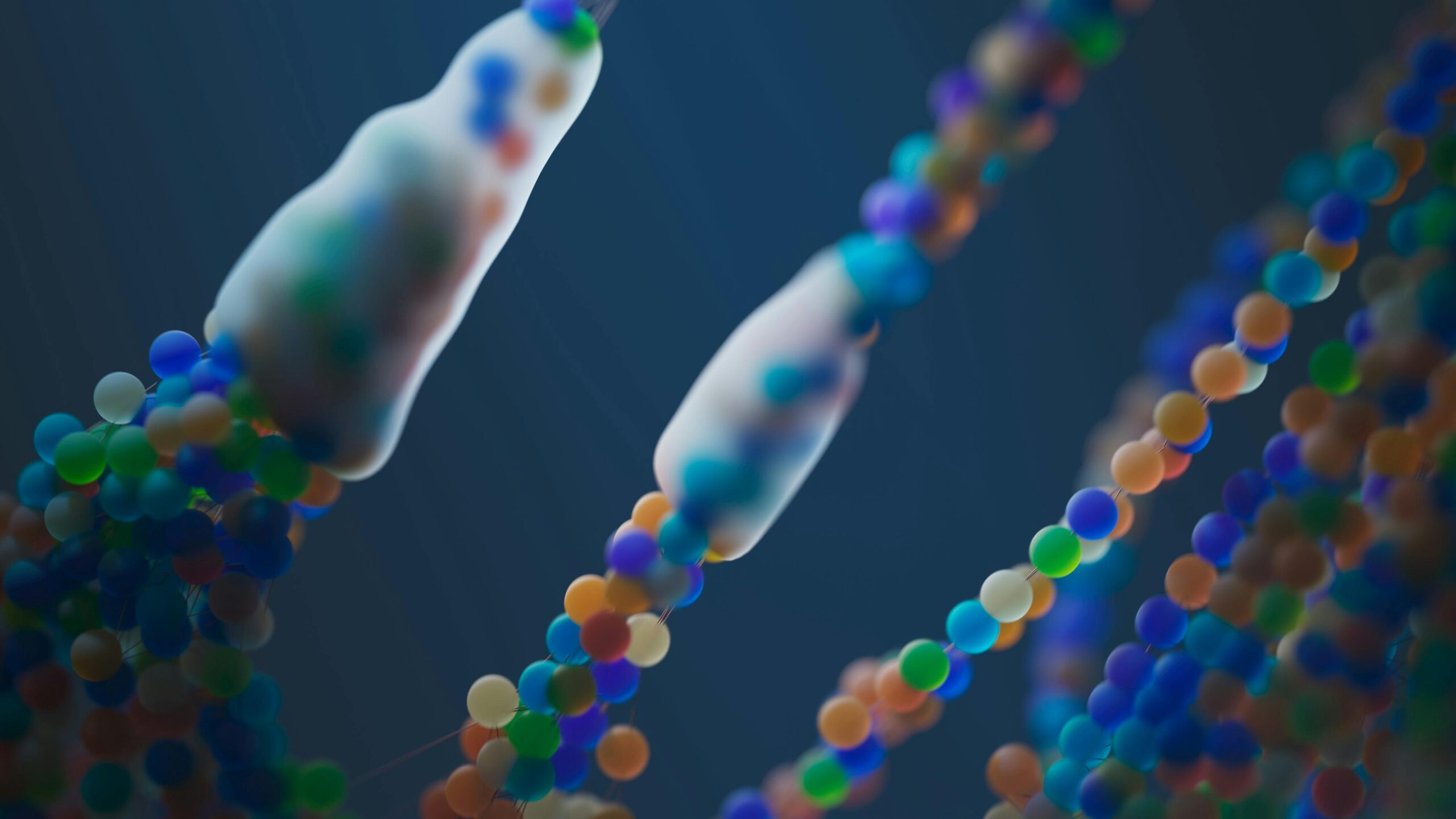
Algae-polymer composites represent a groundbreaking fusion of natural biomass and synthetic materials, creating sustainable alternatives that are transforming multiple industries worldwide. 🌿

The Revolutionary Intersection of Marine Biology and Materials Science
In an era where sustainability has become more than just a buzzword, the materials science community has turned its attention to the ocean’s most abundant resource: algae. These microscopic organisms, which have existed for billions of years, are now being recognized not just for their role in oxygen production and carbon sequestration, but for their remarkable potential as a raw material for advanced composite materials.
Algae-polymer composites combine the structural integrity and versatility of synthetic polymers with the renewable, biodegradable properties of algal biomass. This marriage of materials creates products that maintain the functional benefits of traditional plastics while significantly reducing environmental impact. The resulting composites offer a compelling answer to one of modern society’s most pressing challenges: how to maintain our standard of living while dramatically reducing our ecological footprint.
The development of these materials represents years of research into understanding how algal components interact with polymer matrices at the molecular level. Scientists have discovered that algae contain natural compounds like cellulose, proteins, and lipids that can serve as reinforcing agents, fillers, and even plasticizers in composite materials.
Understanding the Building Blocks: What Makes Algae Ideal for Composites
Algae possess several characteristics that make them exceptionally suitable for composite material production. Unlike terrestrial plants, algae grow rapidly—some species can double their biomass in just 24 hours. They require no arable land, no freshwater, and no pesticides, making them one of the most sustainable biomass sources available.
The cellular structure of algae contains high levels of polysaccharides, which act as natural binding agents when integrated into polymer matrices. These polysaccharides include alginates, carrageenans, and agar, each bringing unique properties to the final composite material. Alginates, for instance, provide excellent film-forming capabilities and moisture retention, while carrageenans offer superior gel-forming properties.
Furthermore, algae contain significant amounts of proteins and amino acids that can form hydrogen bonds with synthetic polymers, creating strong interfacial adhesion between the biological and synthetic components. This molecular-level bonding is crucial for achieving composites with enhanced mechanical properties.
The Composition Advantage: Breaking Down Algal Components
Different algae species offer varied compositional profiles, allowing materials scientists to select specific strains based on desired composite properties. Macroalgae (seaweed) typically contains higher levels of structural polysaccharides, making them ideal for applications requiring rigidity and strength. Microalgae, conversely, often have higher lipid and protein content, which can improve flexibility and impact resistance in composites.
The moisture content of algae, while seemingly a disadvantage, can actually be leveraged during processing. When properly managed, this moisture can act as a natural plasticizer, reducing the need for synthetic additives and improving processability during composite manufacturing.
Manufacturing Techniques: From Ocean to Application
The production of algae-polymer composites involves several sophisticated steps, each critical to ensuring optimal material properties. The process typically begins with algae cultivation, which can occur in open ponds, photobioreactors, or through ocean harvesting of wild seaweed. Each cultivation method impacts the final material properties, with controlled environments generally producing more consistent results.
After harvesting, the algae undergoes processing to remove excess moisture and, in some cases, to extract specific components. Drying methods are particularly important—freeze-drying preserves more of the algae’s cellular structure, while thermal drying is more economical but may alter some properties. The dried algae is then ground into powder or flakes of controlled particle size, which significantly affects composite performance.
Integration Methods That Define Performance
The actual integration of algal material into polymer matrices can be achieved through several techniques:
- Melt compounding: Algal powder is mixed directly with molten polymer, allowing for high throughput and compatibility with existing plastics manufacturing equipment
- Solution casting: Both algae derivatives and polymers are dissolved in a common solvent, then cast into films or shapes as the solvent evaporates
- Extrusion: Continuous processing method that forces the algae-polymer mixture through a die to create specific shapes
- Injection molding: The composite blend is heated and injected into molds, perfect for complex geometries and mass production
- 3D printing: Emerging technique that allows for custom designs using algae-based filaments or bioinks
Each method offers distinct advantages and limitations. Melt compounding, for example, is cost-effective and scalable but exposes the algal components to high temperatures that might degrade sensitive compounds. Solution casting preserves more bioactive components but is slower and requires solvent recovery systems.
Mechanical Properties: Strength Meets Sustainability 💪
One of the most remarkable aspects of algae-polymer composites is their ability to match or even exceed the mechanical properties of conventional materials. Research has demonstrated that properly formulated composites can achieve tensile strengths comparable to traditional petroleum-based plastics while offering improved biodegradability.
The reinforcing effect of algal components stems from their fibrous microstructure and the hydrogen bonding networks they form within the polymer matrix. Studies have shown that composites containing 10-30% algae by weight often exhibit optimal mechanical performance, with higher loadings sometimes leading to agglomeration and reduced properties.
Importantly, the impact resistance of these composites can surpass expectations. The natural flexibility of certain algal polysaccharides imparts a degree of toughness that prevents catastrophic brittle failure, making these materials suitable for applications requiring both strength and resilience.
Testing and Validation: Ensuring Real-World Performance
Materials scientists employ comprehensive testing protocols to evaluate algae-polymer composites, including tensile testing, flexural testing, impact resistance measurement, and fatigue analysis. These tests reveal not just the absolute strength of the materials but their behavior under various stress conditions that mirror real-world use.
Long-term stability testing is equally crucial. Composites are exposed to elevated temperatures, UV radiation, moisture, and chemical environments to assess their durability over extended periods. Results indicate that properly formulated algae-polymer composites maintain their structural integrity for years while still offering end-of-life biodegradability options not available with conventional plastics.
Versatility Across Industries: Applications Reshaping Markets
The adaptability of algae-polymer composites has opened doors across numerous sectors, each leveraging unique properties of these innovative materials. The packaging industry has been particularly enthusiastic, with companies developing algae-based films, containers, and protective materials that offer comparable barrier properties to traditional plastics while being compostable or marine-degradable.
In construction, algae composites are being explored for non-structural applications such as interior panels, insulation materials, and decorative elements. These materials offer excellent acoustic properties and natural fire resistance due to algae’s high moisture retention capacity and mineral content.
Automotive and Aerospace: Lightweighting with Purpose 🚗
The transportation sector’s constant drive for weight reduction has made algae-polymer composites particularly attractive. Vehicle manufacturers are incorporating these materials into interior components, door panels, and dashboard elements. The weight savings contribute to improved fuel efficiency while the sustainable sourcing aligns with corporate environmental commitments.
Aerospace applications are emerging more slowly but hold tremendous promise. The high strength-to-weight ratio of certain algae composite formulations makes them candidates for cabin components and cargo containers, where every gram of weight reduction translates to fuel savings and reduced emissions over the aircraft’s lifetime.
Medical and Biomedical Innovation
Perhaps most exciting is the use of algae-polymer composites in medical applications. The biocompatibility of many algal components, particularly alginates, has led to development of wound dressings, tissue engineering scaffolds, and drug delivery systems. These materials can be designed to degrade at controlled rates within the body, eliminating the need for removal surgeries.
Dental applications are also emerging, with algae-based composites being tested for temporary crowns, orthodontic devices, and impression materials. The natural antimicrobial properties of certain algae species add an extra layer of functionality in these medical contexts.
Environmental Benefits: Beyond Carbon Neutrality 🌍
The environmental case for algae-polymer composites extends far beyond simply replacing petroleum-based materials. Algae cultivation actively removes carbon dioxide from the atmosphere or dissolved in water, making these materials carbon-negative in many lifecycle assessments. For every ton of algae biomass produced, approximately 1.8 tons of CO2 is sequestered.
Water quality improvements represent another significant benefit. Algae cultivation systems can be integrated with wastewater treatment facilities, where the organisms remove excess nutrients like nitrogen and phosphorus that would otherwise cause eutrophication in natural water bodies. This dual-purpose approach creates value from waste while producing useful materials.
End-of-life scenarios for algae-polymer composites offer flexibility that conventional plastics cannot match. Depending on formulation, these materials can be composted in industrial facilities, anaerobically digested to produce biogas, or even allowed to degrade in marine environments without contributing to persistent plastic pollution.
Lifecycle Assessment: Quantifying the Impact
Comprehensive lifecycle assessments comparing algae-polymer composites to conventional materials consistently show significant environmental advantages. Energy consumption during production can be 40-60% lower than petroleum-based plastics, while greenhouse gas emissions are reduced by even greater margins when algae’s carbon sequestration is factored in.
Water usage presents a more nuanced picture. While algae cultivation requires water, many systems use saltwater or wastewater, eliminating competition with agricultural needs. Closed-loop cultivation systems minimize water loss through evaporation, making them surprisingly water-efficient compared to many crops.
Economic Viability: Bridging the Cost Gap
The economics of algae-polymer composites have improved dramatically over the past decade, though challenges remain. Production costs have decreased as cultivation techniques have become more efficient and processing methods more streamlined. In some applications, particularly where biodegradability or specific performance characteristics command premium pricing, algae composites already compete favorably with conventional alternatives.
Scaling remains the primary economic hurdle. While pilot and demonstration facilities have proven technical feasibility, achieving the economies of scale necessary for commodity applications requires significant capital investment. Industry partnerships and government incentives are accelerating this transition, with several large-scale production facilities now under construction globally.
Market Drivers Accelerating Adoption
Regulatory pressures are creating favorable conditions for algae-polymer composites. Single-use plastic bans, extended producer responsibility schemes, and carbon pricing mechanisms all improve the competitive position of sustainable alternatives. Consumer demand for eco-friendly products continues to grow, with surveys indicating willingness to pay premium prices for genuinely sustainable options.
Corporate sustainability commitments from major brands are perhaps the most powerful market driver. Companies like Adidas, Nike, and numerous packaging firms have announced targets to incorporate bio-based and biodegradable materials into their product lines, creating guaranteed demand for materials like algae-polymer composites.
Research Frontiers: What’s Next for Algae Composites
The scientific community continues to push boundaries in algae-polymer composite development. Nanotechnology approaches are yielding composites with properties that seemed impossible just years ago. Researchers are extracting nanocellulose from algae and incorporating it into polymer matrices, creating materials with exceptional strength and unique optical properties.
Genetic modification of algae strains offers another frontier. Scientists are engineering algae to produce higher levels of specific compounds or even to synthesize polymer building blocks directly, potentially streamlining the manufacturing process and improving material properties.
Smart materials represent an particularly exciting direction. Researchers are developing algae-polymer composites that respond to environmental stimuli—changing color with temperature, self-healing when damaged, or altering permeability in response to moisture. These functional materials could revolutionize packaging, textiles, and structural applications.
Overcoming Challenges: The Path Forward
Despite tremendous promise, algae-polymer composites face obstacles that must be addressed for widespread adoption. Consistency in algal feedstock remains a challenge, as natural variations in growing conditions affect composition. Developing robust supply chains with quality control measures is essential for manufacturers who require predictable material properties.
Processing optimization continues to evolve. Finding the ideal balance between algae loading, processing temperature, and additive packages requires extensive experimentation for each specific application. Computational modeling and machine learning are increasingly being employed to accelerate this optimization process.
Education and standardization efforts are equally important. Developing industry standards for testing, classification, and labeling of algae-polymer composites will facilitate wider acceptance and help consumers make informed choices. Professional training programs for materials engineers and product designers need to incorporate these new materials into their curricula.
The Collaborative Future of Sustainable Materials 🤝
The successful commercialization of algae-polymer composites requires unprecedented collaboration across disciplines and sectors. Materials scientists, marine biologists, chemical engineers, and product designers must work together, sharing knowledge and resources. Public-private partnerships are accelerating research while ensuring that innovations reach market quickly.
International cooperation is essential given the global nature of both plastic pollution and climate change. Knowledge sharing between regions with different algae resources and manufacturing capabilities can accelerate development and ensure that benefits are widely distributed. Several international consortia have formed specifically to advance algae-based materials research.
The transition to algae-polymer composites represents more than just a materials substitution—it signals a fundamental shift toward circular economy principles and bio-integrated manufacturing. As production scales, costs decrease, and performance improves, these materials are positioned to play a central role in humanity’s sustainable future. The ocean’s smallest organisms may indeed provide some of the biggest solutions to our most pressing environmental challenges, proving that innovation and sustainability can not only coexist but thrive together.