Humidity stands as one of the most influential environmental factors affecting fiber materials, from textiles to industrial composites, impacting their longevity and structural integrity.

🌡️ The Silent Enemy: How Moisture Penetrates Fiber Structures
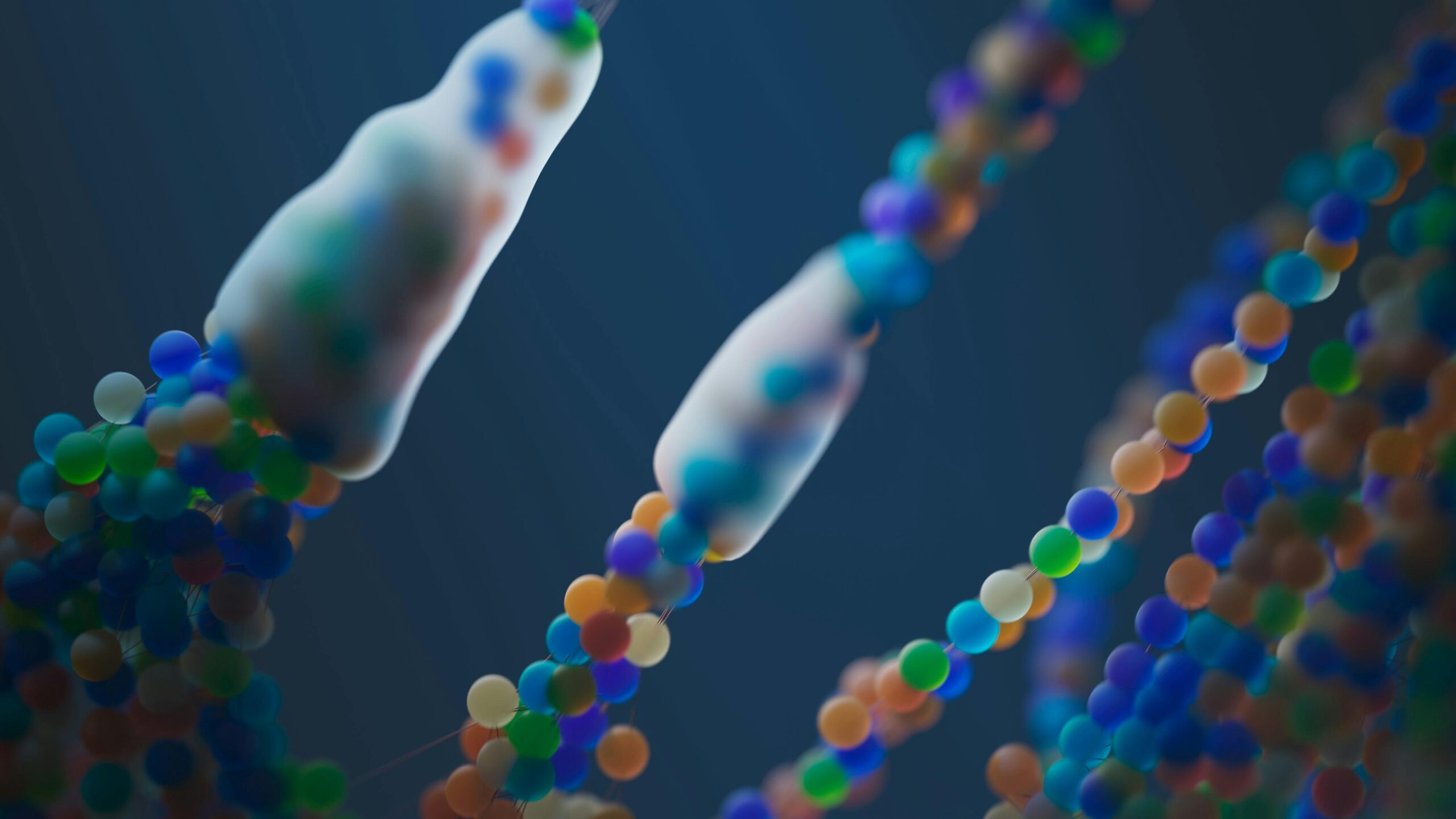
When we examine fiber materials under varying humidity conditions, we uncover a complex relationship between water molecules and the polymer chains that constitute these materials. Moisture doesn’t simply rest on the surface of fibers; it penetrates deep into their molecular structure, creating pathways for degradation that can compromise performance over time.
The hygroscopic nature of many fiber materials means they naturally attract and retain water molecules from their surrounding environment. This absorption process occurs through several mechanisms, including capillary action, diffusion, and adsorption on fiber surfaces. Natural fibers like cotton, wool, and cellulose-based materials demonstrate particularly strong affinity for moisture due to their hydrophilic functional groups.
Synthetic fibers present a different story. While materials like polyester and nylon show lower moisture absorption rates, they’re not immune to humidity’s effects. The spaces between polymer chains, manufacturing impurities, and surface treatments can all serve as entry points for water molecules, initiating degradation processes that may take years to manifest visibly.
Understanding the Aging Process in High-Humidity Environments
Fiber aging under humid conditions accelerates through multiple pathways. Hydrolysis represents one of the primary degradation mechanisms, where water molecules break chemical bonds within polymer chains. This process reduces molecular weight and compromises mechanical properties, leading to brittleness, reduced tensile strength, and eventual material failure.
Temperature compounds humidity’s effects dramatically. The combination of elevated temperatures and high relative humidity creates what material scientists call “accelerated aging conditions.” In these environments, degradation rates can increase exponentially, shortening the expected lifespan of fiber products from decades to mere years.
Chemical Changes at the Molecular Level
At the microscopic scale, humidity triggers fascinating yet destructive transformations. Oxidative reactions accelerate in moist environments, particularly when combined with atmospheric pollutants. Free radicals form more readily, attacking vulnerable sites along polymer chains and creating cascade effects that propagate damage throughout the material structure.
The crystalline and amorphous regions within fibers respond differently to moisture exposure. Amorphous zones, with their less organized molecular arrangement, typically absorb more water and undergo faster degradation. Meanwhile, crystalline regions, while more resistant initially, eventually succumb as surrounding material weakens and crack propagation accelerates.
🔬 Laboratory Methods for Studying Humidity-Induced Aging
Researchers employ sophisticated testing protocols to evaluate how fibers respond to various humidity levels over extended periods. Environmental chambers maintain precise temperature and relative humidity combinations, allowing scientists to simulate years of real-world exposure in compressed timeframes.
Accelerated aging tests typically subject fiber samples to conditions far exceeding normal environmental parameters. A common protocol involves exposing materials to 85% relative humidity at 85°C, conditions that dramatically speed up degradation processes. By monitoring changes in mechanical properties, chemical composition, and physical appearance, researchers can predict long-term performance.
Key Testing Parameters and Measurements
Material scientists track numerous indicators when studying fiber aging. Tensile strength testing reveals how load-bearing capacity diminishes over time. Elongation at break measurements show whether fibers become more brittle. Color change analysis detects oxidation and other chemical alterations that affect appearance and potentially indicate deeper structural damage.
- Moisture regain percentages quantifying water absorption capacity
- Scanning electron microscopy revealing surface morphology changes
- Fourier-transform infrared spectroscopy identifying chemical bond alterations
- Differential scanning calorimetry measuring thermal property shifts
- X-ray diffraction analyzing crystallinity changes
Real-World Applications and Performance Implications
The textile industry faces constant challenges managing humidity effects on fabric performance. Garments stored in humid environments develop musty odors, lose color vibrancy, and experience strength degradation. For technical textiles used in aerospace, medical, or safety applications, humidity-induced aging can have critical consequences affecting user safety and product liability.
Composite materials incorporating fiber reinforcements encounter unique humidity challenges. Carbon fiber composites used in aircraft structures must maintain integrity despite exposure to varying atmospheric conditions during flight and storage. The fiber-matrix interface becomes particularly vulnerable when moisture infiltrates, potentially causing delamination and catastrophic structural failure.
Industrial Textiles and Their Humidity Vulnerabilities
Rope and cordage materials exemplify how humidity affects critical industrial applications. Natural fiber ropes absorb significant moisture, increasing weight and reducing strength by up to 30% when saturated. Synthetic alternatives offer better resistance but still experience degradation, particularly at connection points where stress concentration and moisture combine destructively.
Geotextiles buried underground face relentless humidity exposure throughout their service life. These materials must maintain filtration and reinforcement properties for decades while surrounded by moisture. Manufacturers now employ specialized polymers and additives specifically designed to resist hydrolytic degradation in permanently wet environments.
🛡️ Protection Strategies and Material Enhancements
Modern material science offers numerous approaches to mitigate humidity’s destructive effects on fibers. Surface treatments create hydrophobic barriers that repel water molecules before they can penetrate fiber structures. Fluoropolymer coatings, silicone treatments, and wax applications all provide varying degrees of moisture protection while maintaining other desirable fiber properties.
Chemical modifications to fiber composition represent another powerful strategy. Cross-linking agents strengthen polymer chains and reduce available sites for water molecule attachment. Antioxidant additives neutralize free radicals before they can propagate damage. UV stabilizers address another environmental factor that often works synergistically with humidity to accelerate aging.
Emerging Technologies in Fiber Protection
Nanotechnology introduces exciting possibilities for enhancing fiber moisture resistance. Nanoparticle coatings create ultra-thin protective layers that don’t significantly alter fiber feel or appearance while providing robust moisture barriers. Self-healing polymers now under development could automatically repair humidity-induced damage, extending fiber lifespan dramatically.
Smart fibers incorporating moisture sensors represent the cutting edge of material science. These advanced textiles can actively monitor humidity exposure and signal when environmental conditions exceed safe thresholds. Such technology proves invaluable for high-value applications where early intervention prevents costly failures.
Environmental Factors Beyond Pure Humidity
Humidity rarely acts alone in real-world environments. Solar radiation, atmospheric pollutants, mechanical stress, and biological factors all interact with moisture to influence fiber aging rates. Urban environments with high pollution levels accelerate degradation compared to cleaner rural settings, even at identical humidity levels.
Salt-laden coastal air presents particularly aggressive conditions for fiber materials. Hygroscopic salt crystals attract moisture, maintaining localized areas of high humidity even when ambient conditions seem moderate. The ionic nature of dissolved salts also catalyzes degradation reactions, compounding moisture’s destructive effects.
Biological Degradation in Humid Conditions
Microorganisms thrive in humid environments, and many species actively consume fiber materials. Fungi, bacteria, and mold break down natural fibers particularly rapidly, but even synthetic materials aren’t immune. Biofilms forming on fiber surfaces can trap moisture against the material, creating microenvironments conducive to accelerated chemical degradation.
Antimicrobial treatments integrated during fiber manufacturing help combat biological attack. Silver nanoparticles, quaternary ammonium compounds, and natural antimicrobial agents all find application in moisture-prone environments. However, these treatments themselves may degrade over time, requiring periodic renewal or replacement.
📊 Predictive Modeling and Lifespan Estimation
Advanced computational models now enable engineers to predict fiber performance across various humidity exposure scenarios. These models incorporate data from accelerated aging tests, real-world monitoring, and theoretical degradation mechanisms to forecast when materials will reach end-of-life criteria.
| Fiber Type | Relative Humidity (%) | Estimated Strength Loss (10 Years) |
|---|---|---|
| Cotton | 65 | 15-20% |
| Polyester | 65 | 5-8% |
| Nylon | 65 | 10-15% |
| Aramid | 65 | 8-12% |
| Natural Silk | 65 | 18-25% |
Machine learning algorithms trained on extensive aging databases can now identify early indicators of degradation that human analysts might overlook. These systems analyze spectroscopic data, mechanical testing results, and environmental exposure histories to provide increasingly accurate lifespan predictions.
Industry Standards and Testing Protocols
International standards organizations have developed comprehensive protocols for evaluating fiber performance under humidity exposure. ASTM International, ISO, and industry-specific bodies publish detailed testing methodologies that ensure consistency and comparability across research institutions and manufacturers worldwide.
Compliance with these standards proves essential for manufacturers seeking to demonstrate product durability and meet regulatory requirements. Documentation of testing procedures, environmental conditions, and results provides the foundation for warranty claims, product certifications, and liability protection.
Quality Control in Manufacturing Environments
Manufacturers implement rigorous humidity control throughout production and storage to minimize premature aging before products reach consumers. Climate-controlled facilities maintain optimal conditions, while packaging designs incorporate moisture barriers and desiccants to protect fibers during distribution.
Batch testing protocols sample production runs to verify moisture resistance meets specifications. Any deviation triggers investigation into raw material quality, processing parameters, or environmental control failures. This vigilance ensures consistent product performance across production volumes.
🌍 Climate Change Implications for Fiber Performance
Shifting global climate patterns introduce new challenges for fiber durability predictions. Regions experiencing increased humidity levels due to climate change may see accelerated aging in infrastructure, textiles, and composite materials originally designed for drier conditions. Material scientists must recalibrate lifespan models to account for these evolving environmental realities.
Extreme weather events bringing sudden humidity spikes stress materials in ways that steady-state conditions don’t replicate. Cyclic wetting and drying proves more damaging than constant moisture exposure, as dimensional changes during these cycles create internal stresses that propagate cracks and accelerate failure.
Future Directions in Fiber Research and Development
The next generation of fiber materials will incorporate lessons learned from decades of humidity aging research. Bio-based fibers engineered at the molecular level promise improved moisture resistance while maintaining environmental sustainability. Hybrid materials combining natural and synthetic components aim to capture the best properties of each while minimizing weaknesses.
Computational design approaches allow researchers to screen thousands of potential fiber compositions virtually before synthesizing promising candidates. This accelerates development cycles and reduces costs associated with experimental testing. Materials optimized specifically for high-humidity applications will emerge from these digital laboratories.
💡 Practical Recommendations for Extended Fiber Longevity
End users can significantly extend fiber product lifespan through proper storage and maintenance practices. Maintaining relative humidity below 60% in storage areas dramatically slows aging processes. Adequate ventilation prevents moisture accumulation, while avoiding direct contact with concrete floors or exterior walls minimizes exposure to dampness.
Regular inspection programs detect early signs of humidity damage before catastrophic failures occur. Visual examination for discoloration, surface changes, or odor development provides simple yet effective monitoring. For critical applications, periodic mechanical testing confirms materials retain adequate strength and functionality.
When humidity exposure is unavoidable, protective measures become essential. Breathable covers allow air circulation while blocking liquid water. Moisture-absorbing products placed in storage containers or enclosed spaces maintain dry conditions. For outdoor applications, regular cleaning removes contaminants that trap moisture and accelerate degradation.

Bridging Research and Real-World Application
The gap between laboratory findings and field performance continues narrowing as researchers incorporate more realistic exposure conditions into testing protocols. Multi-factor aging studies simultaneously varying humidity, temperature, UV exposure, and mechanical stress better replicate actual service environments than single-factor tests.
Collaboration between material scientists, engineers, and end users ensures research addresses practical performance requirements. Field monitoring programs collecting data from deployed materials validate laboratory predictions and identify unexpected degradation mechanisms that controlled testing might miss.
Understanding humidity’s effects on fiber aging empowers manufacturers to design better materials, engineers to specify appropriate products for specific applications, and users to implement effective maintenance strategies. As climate conditions evolve and performance demands increase, this knowledge becomes increasingly critical for ensuring optimal fiber performance throughout intended service lives. The intersection of materials science, environmental monitoring, and predictive modeling continues advancing our ability to combat moisture’s destructive influence and extend the functional lifespan of fiber-based products across countless applications.