
The shift toward compost-safe packaging is reshaping how businesses think about sustainability, forcing companies to reconsider everything from material sourcing to end-of-life disposal strategies.

🌱 Understanding the Compostable Packaging Landscape
The green packaging revolution isn’t just a trend—it’s a fundamental transformation in how products reach consumers. Compost-safe solutions represent a paradigm shift from traditional petroleum-based plastics to materials that can safely return to the earth, completing a circular lifecycle that benefits both businesses and the environment.
What makes packaging truly compost-safe extends beyond simple biodegradability. These materials must break down completely within specific timeframes under controlled composting conditions, leaving no toxic residues that could contaminate soil or water systems. The distinction between home compostable and industrial compostable products creates additional complexity that supply chain managers must navigate carefully.
Modern compostable packaging options include materials derived from cornstarch, bagasse, mushroom mycelium, seaweed, and other plant-based sources. Each material brings unique properties, costs, and supply chain considerations that businesses must evaluate against their specific needs and market positioning.
The Supply Chain Challenge: From Theory to Implementation
Transitioning to compost-safe packaging presents multifaceted supply chain challenges that go far beyond simply switching suppliers. The infrastructure supporting traditional packaging has been refined over decades, while compostable alternatives often require entirely new logistics frameworks, supplier relationships, and quality control protocols.
Material availability represents the first hurdle. Unlike conventional plastics produced in massive volumes worldwide, compostable materials often come from smaller, specialized manufacturers with limited production capacity. This creates potential bottlenecks during peak seasons or when demand suddenly increases, forcing businesses to maintain larger inventory buffers than they might with traditional materials.
Price volatility affects compostable materials more dramatically than petroleum-based alternatives. Agricultural commodity prices, weather patterns affecting crop yields, and competition from food production for the same raw materials can cause significant price fluctuations that complicate long-term budgeting and contract negotiations.
Quality Consistency and Performance Standards
Ensuring consistent quality across compostable packaging batches presents ongoing challenges. Natural materials exhibit more variation than synthetic alternatives, meaning that packages produced from one harvest might perform slightly differently than those from another. This variability requires more rigorous testing protocols and quality assurance processes.
Performance under various conditions becomes critical. Compostable packaging must protect products during transportation while remaining stable under different temperature and humidity conditions. Unlike plastic that performs predictably across environments, plant-based materials may weaken in high humidity or become brittle in extreme cold, requiring careful consideration of distribution routes and storage conditions.
🔄 Building Resilient Green Supply Networks
Creating a robust supply chain for compost-safe packaging requires strategic thinking about supplier diversification, geographic considerations, and backup planning. Companies leading this transition have learned that relying on a single source, regardless of how reliable, creates unacceptable risk in this emerging market.
Geographic proximity to suppliers takes on new importance with compostable materials. The environmental benefits of sustainable packaging can be partially offset by long-distance transportation, making regional sourcing increasingly attractive. This drives companies to identify and develop relationships with multiple suppliers across different regions, creating a more distributed and resilient supply network.
Supplier development programs have become essential for businesses committed to compostable packaging. Many companies actively invest in their suppliers’ capabilities, providing technical assistance, equipment financing, or guaranteed purchase volumes that enable smaller manufacturers to scale up production and improve consistency.
Technology Integration for Supply Chain Visibility
Modern supply chain management systems play a crucial role in navigating compostable packaging logistics. Real-time inventory tracking, predictive analytics for demand forecasting, and automated reordering systems help companies manage the complexities of multiple suppliers, varying lead times, and material specifications.
Blockchain technology is emerging as a powerful tool for verifying the authenticity and certifications of compostable materials throughout the supply chain. This creates transparency that builds consumer trust while helping companies ensure their packaging truly meets compostability standards rather than relying solely on supplier claims.
Cost Realities: Beyond the Price Tag
The financial equation for compost-safe packaging extends far beyond simple unit cost comparisons. While compostable materials typically carry higher per-unit prices than conventional plastics, a comprehensive cost analysis reveals a more nuanced picture that includes brand value, regulatory compliance, waste management, and long-term sustainability.
Initial price premiums for compostable packaging range from 10% to 300% depending on the material type, volume, and application. However, these costs are decreasing as production scales up and manufacturing processes become more efficient. Early adopters who invested in compostable packaging five years ago paid significantly more than companies making the switch today.
Hidden costs in traditional packaging systems become apparent when businesses examine the full lifecycle. Disposal fees, potential regulatory penalties, brand reputation risks from plastic pollution associations, and the growing consumer preference for sustainable options all factor into the true cost equation.
Investment in Infrastructure and Training
Transitioning to compostable packaging requires capital investment in new equipment, storage facilities, and employee training. Packaging machinery calibrated for plastic may need adjustment or replacement to handle plant-based materials that have different thickness, flexibility, and sealing properties.
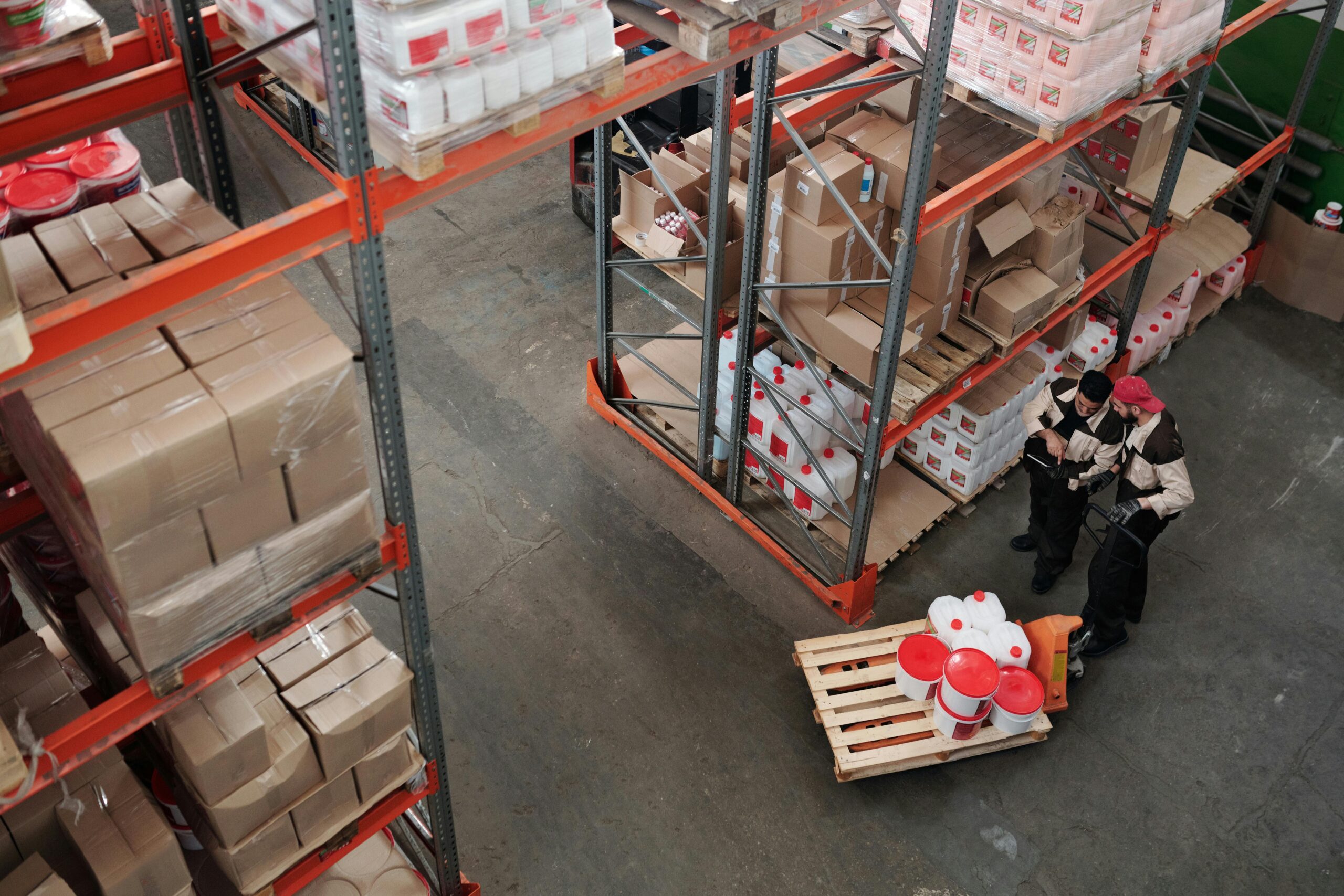
Warehouse and transportation protocols must adapt to the specific requirements of compostable materials. Temperature-controlled storage may become necessary for materials sensitive to heat or humidity. Training programs ensure that employees throughout the supply chain understand how to properly handle, store, and process these materials to maintain their integrity and compostability.
📊 Certification Standards and Compliance Navigation
The landscape of compostability certifications creates both opportunities and confusion for businesses navigating green packaging solutions. Multiple certification bodies worldwide use different testing protocols and standards, making international distribution particularly complex for companies operating across multiple markets.
Key certifications include the Biodegradable Products Institute (BPI) certification in North America, European standard EN 13432, Australian AS 4736, and various national standards in Asia. Each certification requires specific testing to verify that materials break down completely within defined timeframes under particular composting conditions.
| Certification | Region | Primary Focus | Composting Type |
|---|---|---|---|
| BPI Certified | North America | Industrial composting | Commercial facilities |
| EN 13432 | Europe | Industrial composting | Commercial facilities |
| TÜV Austria OK Compost HOME | International | Home composting | Backyard composting |
| AS 4736 | Australia | Industrial composting | Commercial facilities |
Understanding the distinction between home compostable and industrial compostable certifications is critical for proper consumer communication. Industrial composting requires specific temperature, moisture, and microbial conditions found only in commercial composting facilities, while home compostable materials break down in typical backyard compost bins. Mislabeling or unclear communication about these differences can lead to consumer frustration and undermine confidence in compostable products.
🌍 Regional Infrastructure Disparities
The effectiveness of compost-safe packaging depends heavily on the composting infrastructure available in different regions. This creates a challenging reality where environmentally superior packaging options may end up in landfills simply because composting facilities don’t exist nearby or don’t accept packaging materials.
North America faces significant composting infrastructure gaps. While cities like San Francisco, Seattle, and Portland have robust commercial composting programs that accept certified compostable packaging, many regions lack any composting infrastructure. This geographic variability forces businesses to consider whether compostable packaging makes sense for all distribution channels or only in specific markets.
Europe generally offers more developed composting infrastructure, particularly in countries like Germany, the Netherlands, and Austria, where organic waste collection programs are well-established. However, even in Europe, acceptance of compostable packaging varies by municipality, requiring businesses to navigate a patchwork of local regulations and capabilities.
Collaborating with Waste Management Partners
Forward-thinking companies are actively partnering with waste management organizations to build the infrastructure needed for their compostable packaging. These partnerships might include education campaigns, facility upgrades, or pilot programs that demonstrate the viability of processing compostable packaging alongside food waste.
Some businesses have taken infrastructure development into their own hands, establishing collection programs or partnering with composting facilities to ensure their packaging can be properly processed. These investments, while costly, create competitive advantages and demonstrate genuine commitment to sustainability beyond superficial greenwashing.
Consumer Education: Closing the Knowledge Gap
The success of compost-safe packaging depends not just on production and distribution but on proper end-of-life handling by consumers. Unfortunately, significant confusion exists about what compostable means, how to dispose of these materials, and whether they can go in backyard compost bins or require industrial facilities.
Clear, prominent labeling becomes essential for guiding consumer behavior. Packaging should explicitly state whether materials are home compostable or require industrial facilities, provide disposal instructions, and include relevant certification logos that consumers can research. QR codes linking to detailed disposal information and facility locators help bridge the information gap.
Educational campaigns must address common misconceptions. Many consumers believe that compostable automatically means the package will break down in their backyard compost bin, leading to contamination of home composting systems or frustration when materials don’t disappear as expected. Others mistakenly place compostable packaging in recycling bins, where it contaminates recycling streams.
🚀 Innovation Driving the Next Generation
Research and development in compostable materials continues at a rapid pace, with innovations addressing current limitations around performance, cost, and composting requirements. Emerging materials and technologies promise to overcome many obstacles that currently complicate widespread adoption of compost-safe packaging.
Seaweed-based films represent one exciting frontier, offering materials that are naturally abundant, require no fresh water or fertilizer to grow, and break down quickly even in marine environments. Companies like Notpla are developing packaging that can be eaten or composted, eliminating waste entirely for certain applications.
Mushroom mycelium packaging grows materials into specific shapes rather than manufacturing them, creating custom-fit protective packaging that’s completely home compostable. This approach reduces energy requirements while producing materials with excellent cushioning properties that rival or exceed traditional foam packaging.
Hybrid Materials and Performance Enhancement
Scientists are developing hybrid materials that combine different plant-based components to achieve specific performance characteristics. By blending materials with complementary properties, researchers create packaging that maintains strength under stress while remaining fully compostable under appropriate conditions.
Coatings and treatments enhance the barrier properties of plant-based materials without compromising compostability. These innovations allow compostable packaging to protect products from moisture, oxygen, and other elements as effectively as conventional plastics, expanding the range of applications where sustainable packaging can succeed.
Making the Transition: Strategic Implementation
Successfully navigating the shift to compost-safe packaging requires a phased, strategic approach rather than an overnight transformation. Companies that have transitioned most successfully typically start with pilot programs, learn from initial implementations, and gradually expand their use of compostable materials as they build expertise and supplier relationships.
Starting with non-critical applications reduces risk during the learning phase. Companies might begin with secondary packaging, promotional materials, or products with shorter shelf lives before transitioning primary packaging for flagship products. This approach builds organizational knowledge while minimizing the potential impact of unexpected challenges.
- Conduct comprehensive material assessments to identify which compostable options best suit specific products
- Establish relationships with multiple suppliers to ensure supply chain resilience
- Invest in testing protocols that verify material performance under real-world conditions
- Develop clear internal guidelines for material selection, handling, and storage
- Create consumer education materials before launching products with new packaging
- Monitor composting infrastructure development in key markets
- Track regulatory trends that may affect packaging requirements
- Measure and communicate the environmental impact of packaging transitions
The Competitive Advantage of Early Adoption
Companies investing in compost-safe packaging today position themselves advantageously for tomorrow’s regulatory environment and consumer expectations. As plastic pollution concerns intensify and regulations tighten, businesses with established green packaging supply chains will avoid the scramble to comply that will affect late adopters.
Brand differentiation through genuine sustainability commitments resonates powerfully with growing consumer segments. Millennials and Gen Z consumers increasingly make purchasing decisions based on environmental considerations, with studies showing significant percentages willing to pay premium prices for sustainably packaged products.
Regulatory momentum continues building toward restrictions on single-use plastics and extended producer responsibility schemes that make manufacturers accountable for end-of-life packaging disposal. The European Union, Canada, and numerous other jurisdictions are implementing or considering bans on certain plastic packaging types, making the transition to alternatives not just desirable but necessary.
🌟 Collaboration as the Path Forward
The green packaging revolution cannot be achieved by individual companies working in isolation. Industry collaboration, knowledge sharing, and collective investment in infrastructure create the foundation for widespread adoption of compost-safe solutions that benefit entire sectors rather than just early movers.
Industry consortiums bring together brands, material manufacturers, packaging producers, and waste management organizations to address systemic challenges. These collaborations develop shared standards, fund research, educate consumers, and advocate for supportive policies that accelerate the transition to sustainable packaging across entire industries.
The path toward truly sustainable, compost-safe packaging requires navigating complex supply chain realities, but the destination offers environmental benefits, competitive advantages, and alignment with the circular economy principles that will define successful businesses in the coming decades. Companies that embrace this challenge today become the leaders shaping tomorrow’s packaging landscape.