
The future of sustainable materials lies beneath the water’s surface, where microscopic algae hold the key to revolutionizing polymer production and reshaping our environmental footprint.

🌊 The Convergence of Biology and Materials Science
Algae-polymer production represents one of the most promising frontiers in green innovation, merging biotechnology with materials science to create sustainable alternatives to petroleum-based plastics. As global awareness of environmental degradation intensifies, industries worldwide are scrambling to identify viable solutions that can scale without compromising performance or economic feasibility.
The traditional polymer industry has long relied on fossil fuels, contributing significantly to carbon emissions and environmental pollution. Algae-based polymers offer a compelling alternative, harnessing photosynthesis to capture carbon dioxide while producing valuable biopolymers. This dual benefit positions algae cultivation as not merely carbon-neutral, but potentially carbon-negative, fundamentally transforming how we approach material production.
Recent technological advances have accelerated the commercial viability of algae-polymer systems. Through genetic engineering, metabolic optimization, and innovative cultivation techniques, researchers have dramatically improved yield rates and reduced production costs. These breakthroughs are paving the way for industrial-scale operations that can compete with conventional polymer manufacturing.
Understanding Algae as a Biopolymer Source 🔬
Algae represent an incredibly diverse group of photosynthetic organisms, ranging from microscopic phytoplankton to massive kelp forests. For polymer production, microalgae species such as Chlorella, Spirulina, and Nannochloropsis have garnered particular attention due to their rapid growth rates and ability to produce various biopolymer precursors.
These microscopic powerhouses synthesize multiple compounds suitable for polymer production, including polyhydroxyalkanoates (PHAs), polylactic acid (PLA) precursors, and cellulose-like materials. Unlike terrestrial crops, algae don’t compete for arable land or freshwater resources, making them an environmentally sound choice for large-scale biomaterial production.
The biochemical composition of algae can be manipulated through environmental conditions, including light intensity, nutrient availability, and temperature. This metabolic flexibility allows producers to optimize output for specific polymer types, creating tailored materials with desired properties for different applications.
Key Advantages of Algae-Based Systems
- Rapid growth rates, with some species doubling biomass in less than 24 hours
- High CO2 fixation capacity, removing greenhouse gases while producing valuable materials
- Cultivation possible in non-arable land, including coastal areas and deserts
- Utilization of wastewater as nutrient source, providing dual environmental benefit
- Production of multiple value-added compounds beyond polymers
- Year-round cultivation potential in controlled environments
🚀 Scaling Challenges and Innovative Solutions
Despite the tremendous promise of algae-polymer technology, scaling from laboratory success to industrial production presents formidable challenges. The economics of large-scale cultivation, harvesting efficiency, and downstream processing represent critical bottlenecks that innovators are actively addressing through creative engineering solutions.
Cultivation systems have evolved significantly, moving beyond traditional open ponds to sophisticated photobioreactors that maximize productivity while minimizing contamination risks. Closed-system photobioreactors offer precise control over growth conditions, enabling consistent quality and higher biomass concentrations. However, capital costs remain substantial, driving innovation toward hybrid systems that balance performance with affordability.
Harvesting represents another significant cost component, as algae cells are microscopic and dispersed in large volumes of water. Conventional methods such as centrifugation are energy-intensive and economically prohibitive at scale. Emerging technologies including bio-flocculation, electrocoagulation, and membrane filtration are reducing these costs dramatically, making commercial operations increasingly viable.
Breakthrough Technologies Enabling Scale
Synthetic biology tools are revolutionizing algae-polymer production by engineering strains with enhanced productivity and simplified processing requirements. CRISPR gene editing enables precise modifications that increase polymer accumulation, improve stress tolerance, and even facilitate self-harvesting through controlled flocculation mechanisms.
Artificial intelligence and machine learning are optimizing cultivation parameters in real-time, analyzing vast datasets to identify ideal conditions for maximum polymer yield. These smart systems adjust lighting, nutrient delivery, and temperature dynamically, significantly improving efficiency while reducing operational costs.
Integrated biorefinery concepts are enhancing economic viability by extracting multiple value streams from algae biomass. Beyond polymers, facilities can recover proteins for animal feed, pigments for cosmetics, omega-3 fatty acids for nutritional supplements, and residual biomass for bioenergy production. This diversification improves overall profitability and accelerates return on investment.
Environmental Impact and Carbon Economics 🌍
The environmental credentials of algae-polymer production extend far beyond replacing fossil-fuel-derived materials. Life cycle assessments consistently demonstrate significant reductions in carbon footprint, water consumption, and ecosystem impact compared to conventional polymer manufacturing.
Carbon dioxide utilization represents a particularly compelling aspect of algae cultivation. Industrial facilities can integrate algae production systems with carbon-emitting operations such as power plants, cement factories, or breweries, capturing waste CO2 and converting it into valuable materials. This industrial symbiosis creates circular economy models that transform pollution into profit.
| Environmental Metric | Conventional Polymers | Algae-Based Polymers | Improvement |
|---|---|---|---|
| CO2 Emissions (kg/kg polymer) | 3.5-4.2 | -0.5 to 0.8 | 80-115% reduction |
| Water Consumption (L/kg) | 180-240 | 40-80 | 65-75% reduction |
| Land Use (m²/kg annually) | 0.8-1.2 | 0.1-0.3 | 75-85% reduction |
| Energy Input (MJ/kg) | 75-95 | 35-60 | 40-60% reduction |
Biodegradability represents another critical advantage of many algae-derived polymers. While conventional plastics persist in environments for centuries, algae-based alternatives can decompose naturally within months under appropriate conditions, dramatically reducing accumulation in landfills and oceans.
Commercial Applications Driving Market Growth 💼
The versatility of algae-based polymers has sparked interest across numerous industries, from packaging and textiles to automotive components and medical devices. Early adopters are leveraging the sustainability narrative to differentiate products and capture environmentally conscious consumers.
Packaging applications represent the largest near-term market opportunity, driven by regulatory pressures and consumer demand for sustainable alternatives. Major brands in food and beverage sectors are piloting algae-based packaging films, bottles, and containers that offer comparable performance to petroleum-based plastics while significantly reducing environmental impact.
The fashion and textile industry has embraced algae-derived fibers and materials, with innovative designers creating garments from these sustainable sources. These bio-based textiles offer unique aesthetic properties while addressing the significant environmental footprint of conventional textile production, which ranks among the world’s most polluting industries.
Emerging High-Value Applications
Medical applications are generating particular excitement, as algae-based polymers offer biocompatibility advantages for implants, drug delivery systems, and tissue engineering scaffolds. The natural origin and controllable degradation rates make these materials ideal for applications where the polymer must safely integrate with biological systems.
Automotive and aerospace industries are exploring algae-based composites for interior components and structural elements. These lightweight materials can reduce vehicle weight, improving fuel efficiency while meeting increasingly stringent environmental regulations. Several automotive manufacturers have already incorporated algae-based materials into production vehicles.
3D printing applications represent an exciting frontier, with algae-derived filaments offering sustainable options for additive manufacturing. The material properties can be tuned to meet specific requirements, enabling custom production of components without the environmental burden of conventional plastics.
⚡ Economic Viability and Investment Landscape
The economics of algae-polymer production have improved dramatically over the past decade, transitioning from purely academic curiosity to commercially competitive reality. Production costs have declined by more than 70% since 2010, driven by technological innovations and economies of scale.
Investment in algae-based materials has accelerated significantly, with venture capital, corporate strategic investments, and government funding converging to support the sector. Global investment exceeded $2.5 billion in recent years, funding facility construction, research initiatives, and market development activities.
Government policies and incentives play crucial roles in accelerating market adoption. Carbon pricing mechanisms, plastic bans, and subsidies for bio-based materials create favorable economic conditions that improve the competitive position of algae-polymers relative to conventional alternatives.
Cost Reduction Pathways
Several technological trajectories promise continued cost reductions. Strain improvements through genetic engineering can increase polymer yields by 50-100%, directly reducing production costs. Advances in cultivation systems, including vertical photobioreactors and offshore ocean farming, can dramatically reduce land and infrastructure costs.
Integration with existing industrial infrastructure provides another avenue for cost reduction. Co-locating algae facilities with carbon emitters reduces both CO2 capture costs and transportation expenses. Similarly, utilizing waste heat from industrial processes can reduce energy requirements for maintaining optimal cultivation temperatures.
🔮 Future Trajectories and Innovation Horizons
The future of algae-polymer technology extends beyond merely replacing existing materials. Researchers are developing entirely new material categories with properties impossible to achieve with conventional polymers, opening applications not yet imagined.
Self-healing materials incorporating living algae cells represent one fascinating direction. These hybrid materials could repair minor damage autonomously, dramatically extending product lifespan and reducing waste. While still in early research stages, the concept demonstrates the revolutionary potential of biology-materials integration.
Responsive and adaptive materials that change properties based on environmental conditions are emerging from algae-polymer research. Temperature-sensitive polymers, color-changing films, and materials with programmable degradation rates could enable entirely new product categories and functionalities.
The convergence of algae technology with other emerging fields like nanotechnology and synthetic biology promises exponential advances. Nano-engineered algae strains could produce polymers with embedded functionalities, such as antimicrobial properties, UV protection, or electrical conductivity, creating smart materials with built-in features.
Building the Bioeconomy Infrastructure 🏗️
Realizing the full potential of algae-polymer production requires developing comprehensive infrastructure spanning cultivation, processing, and distribution. This bioeconomy infrastructure represents a massive investment opportunity while creating substantial employment across diverse skill levels.
Regional clusters are emerging where favorable conditions, supportive policies, and research institutions converge. Coastal areas with abundant sunlight, access to CO2 sources, and existing biotechnology expertise are becoming hubs for algae-based industries, creating new economic opportunities in regions transitioning away from fossil fuel dependence.
Education and workforce development initiatives are critical for sector growth. Universities are establishing specialized programs in industrial biotechnology, while industry partnerships provide practical training. This human capital development ensures the talent pipeline necessary for continued innovation and scaling.
🌟 Collaborative Ecosystems Driving Progress
Success in algae-polymer commercialization requires unprecedented collaboration across traditionally separate sectors. Partnerships between biotechnology companies, chemical manufacturers, consumer brands, and research institutions are accelerating development and market adoption.
Open innovation models are gaining traction, with companies sharing pre-competitive research to advance the field collectively. Industry consortia are developing standards, sharing best practices, and coordinating advocacy efforts to create favorable policy environments.
International cooperation is essential for addressing global environmental challenges. Cross-border research collaborations, technology transfer agreements, and coordinated policy frameworks can accelerate the transition to sustainable materials worldwide, particularly supporting developing nations in accessing these technologies.
Navigating Regulatory Landscapes and Market Acceptance 📋
Regulatory approval represents a critical pathway to market success, requiring comprehensive safety assessments and environmental impact evaluations. Fortunately, the natural origin of algae-based materials generally facilitates regulatory approval compared to synthetic alternatives.
Consumer acceptance depends on effective communication about benefits and dispelling misconceptions. Education campaigns highlighting environmental advantages, safety profiles, and performance characteristics are building market demand. Transparency regarding production methods and lifecycle impacts strengthens consumer trust.
Industry standards and certifications provide credibility and facilitate market adoption. Third-party verification of sustainability claims, biodegradability performance, and production practices helps differentiate genuine innovations from greenwashing, protecting both consumers and legitimate producers.
Realizing Regenerative Potential Beyond Carbon Neutrality 🌱
The ultimate vision for algae-polymer systems extends beyond sustainability to regenerative impact—systems that actively improve environmental conditions. Integrated cultivation facilities can remediate contaminated water, restore degraded ecosystems, and enhance biodiversity while producing valuable materials.
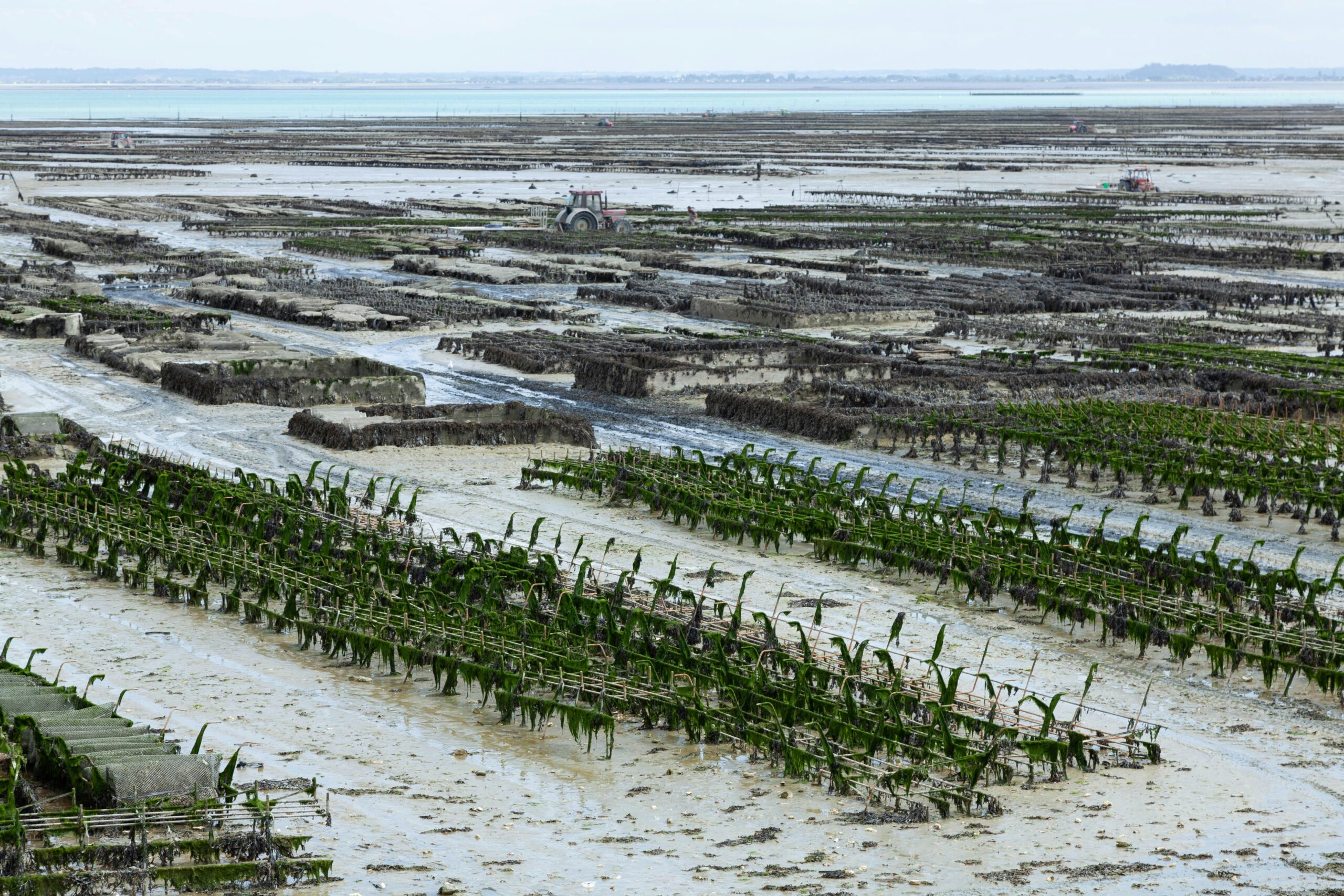
Coastal algae farming can create habitat for marine species, supporting fisheries and ecosystem health. Nutrient removal from agricultural runoff prevents harmful algal blooms and dead zones, protecting aquatic ecosystems. These co-benefits multiply the positive impact of algae-polymer production.
The transition to algae-based materials represents more than technological substitution—it embodies a fundamental reimagining of industrial systems. Rather than extracting and depleting resources, we can cultivate materials in harmony with natural cycles, creating abundance while healing ecosystems.
As technological advances continue reducing costs and improving performance, algae-polymer production is poised to transition from niche applications to mainstream adoption. The combination of environmental necessity, economic viability, and technological capability creates a unique historical moment where transformative change becomes not only possible but inevitable. Investment, innovation, and commitment across stakeholders will determine how rapidly this brighter, more sustainable future materializes. The microscopic algae floating in cultivation systems today carry the potential to reshape industries, restore ecosystems, and redefine our relationship with materials in ways that benefit both humanity and the planet we call home.