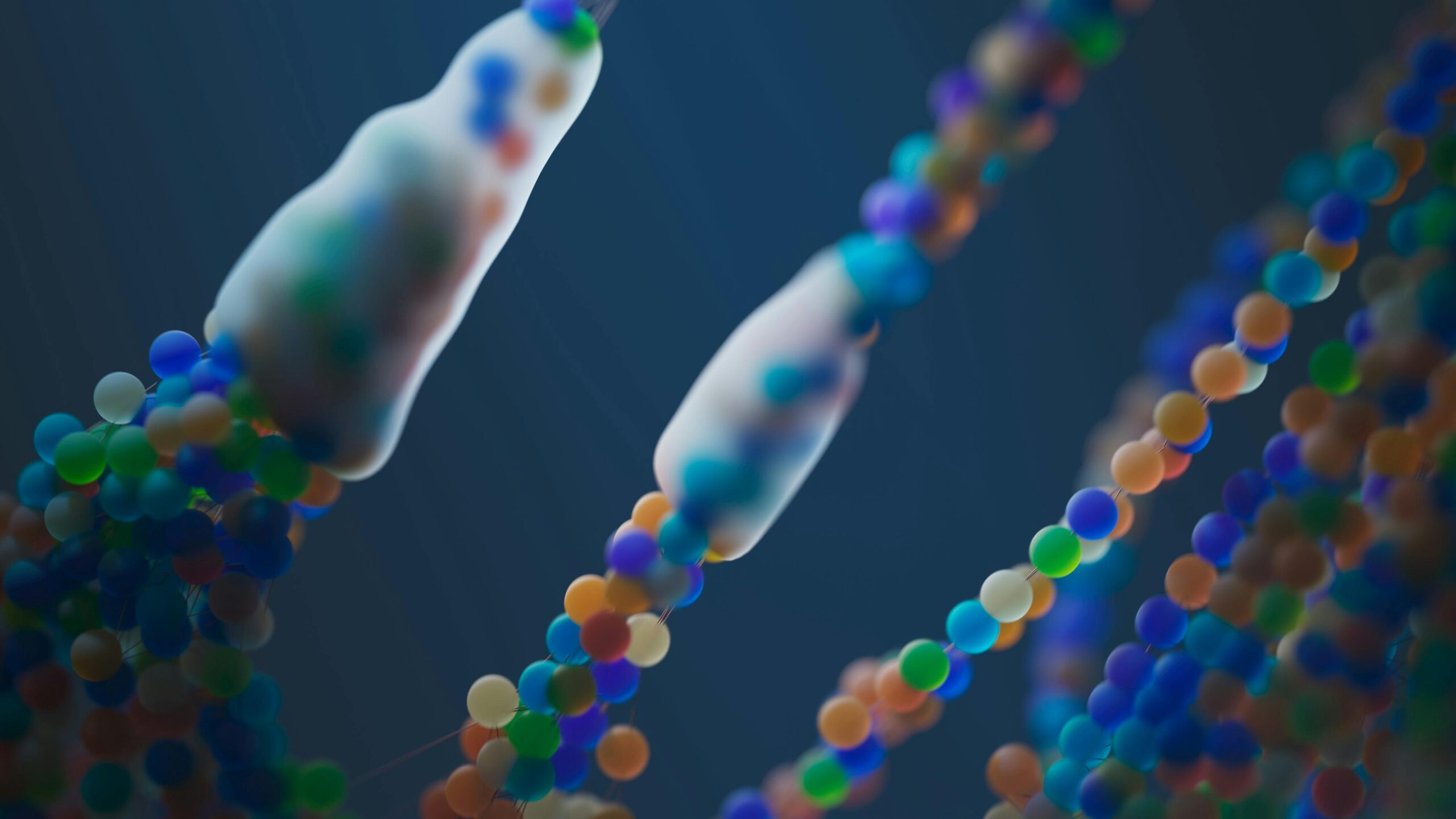
Algae-based plastics represent a revolutionary approach to sustainable materials, offering biodegradable alternatives to conventional petroleum-based polymers while addressing both pollution and climate concerns.

🌊 The Rise of Algae as a Sustainable Plastic Alternative
The global plastic crisis has reached unprecedented levels, with over 400 million tons of plastic produced annually, much of which persists in ecosystems for centuries. In response to this environmental emergency, scientists and innovators have turned their attention to nature’s most efficient carbon capturers: algae. These microscopic organisms not only grow rapidly without requiring arable land or freshwater but also produce biopolymers that can replace traditional plastics in numerous applications.
Algae-based plastics have emerged as particularly promising because they offer a closed-loop solution. Unlike corn or sugarcane-based bioplastics that compete with food production, algae can be cultivated in wastewater, saltwater, or even industrial flue gases rich in carbon dioxide. This versatility makes them economically viable while simultaneously contributing to carbon sequestration efforts.
The biodegradation potential of these materials represents their most significant advantage. Understanding exactly how these plastics break down in various environments is crucial for optimizing their formulation, predicting their environmental impact, and developing infrastructure for their disposal. This knowledge forms the foundation for creating truly sustainable alternatives to conventional plastics.
Understanding the Molecular Architecture of Algae-Based Polymers
Algae produce several types of biopolymers suitable for plastic production, each with distinct molecular structures that influence their biodegradation pathways. The most common include polyhydroxyalkanoates (PHAs), polyhydroxybutyrate (PHB), and alginate-based composites. These polymers differ fundamentally from petroleum-based plastics in their chemical bonds and molecular arrangements.
Polyhydroxyalkanoates represent a family of polyesters naturally synthesized by various algae species as energy storage compounds. Their ester bonds are inherently more susceptible to hydrolysis than the carbon-carbon backbone of conventional plastics like polyethylene or polypropylene. This molecular vulnerability to water and enzymatic attack forms the basis of their biodegradability.
The crystallinity and molecular weight of algae-based polymers significantly affect their degradation rates. Higher crystallinity generally slows biodegradation because enzymes struggle to penetrate tightly packed molecular structures. Manufacturers can adjust these properties during production to balance mechanical performance with desired degradation timelines, creating materials suitable for short-term packaging or longer-lasting applications.
Key Structural Components Influencing Breakdown
The presence of functional groups such as hydroxyl, carboxyl, and ester linkages in algae-based polymers creates multiple sites for enzymatic attack. These groups act as molecular handles that enzymes can recognize and cleave, initiating the degradation cascade. The spacing and density of these functional groups determine how quickly microorganisms can dismantle the polymer chains.
Additives and processing methods also play critical roles in determining biodegradation pathways. Plasticizers added to improve flexibility, stabilizers to enhance shelf life, and fillers to reduce costs can either accelerate or inhibit microbial degradation depending on their chemical nature and concentration.
🔬 The Microbial Players in Biodegradation
The biodegradation of algae-based plastics is fundamentally a biological process driven by diverse communities of microorganisms. Bacteria, fungi, and actinomycetes all participate in breaking down these materials, each contributing specialized enzymes and metabolic capabilities. Understanding this microbial ecosystem is essential for predicting degradation rates across different environments.
Bacteria such as Pseudomonas, Bacillus, and Rhodococcus species have demonstrated remarkable abilities to degrade PHAs and other algae-derived polymers. These microorganisms produce extracellular depolymerases—enzymes specifically evolved to cleave ester bonds in biopolymers. The genes encoding these enzymes are often plasmid-borne, allowing rapid horizontal transfer among bacterial populations, which can accelerate adaptation to new plastic substrates.
Fungi contribute significantly to biodegradation through both enzymatic and physical mechanisms. Species like Aspergillus and Penicillium produce a cocktail of hydrolases, oxidases, and peroxidases that work synergistically to break down polymer chains. Their hyphal networks can physically penetrate plastic surfaces, increasing surface area available for enzymatic attack while transporting enzymes deep into the material structure.
Enzymatic Mechanisms at Work
The primary enzymes responsible for algae-plastic biodegradation include PHA depolymerases, esterases, lipases, and cutinases. PHA depolymerases are highly specific, recognizing the crystalline structure of polyhydroxyalkanoates and systematically cleaving ester bonds to release monomers and oligomers. These enzymes typically feature a catalytic triad of serine, histidine, and aspartate residues that work together to hydrolyze ester linkages.
The enzymatic degradation process occurs in distinct phases. Initial colonization sees microorganisms attaching to the plastic surface and secreting enzymes that create surface erosion. As degradation progresses, the material’s molecular weight decreases, crystallinity changes, and mechanical properties deteriorate. Eventually, the polymer fragments become small enough for cellular uptake, where they undergo further metabolism through standard biochemical pathways.
Environmental Factors Shaping Degradation Rates
The environment in which algae-based plastics are disposed dramatically influences their biodegradation kinetics. Temperature, moisture, pH, oxygen availability, and nutrient levels all affect both microbial activity and the chemical stability of polymer chains. Understanding these factors enables prediction of material lifespan in specific disposal scenarios.
Temperature exerts perhaps the most significant influence on biodegradation rates. Mesophilic conditions between 25-40°C generally support optimal microbial activity, accelerating degradation. In composting facilities where temperatures can reach 50-60°C, thermophilic microorganisms take over, often degrading algae-based plastics within weeks rather than months. Conversely, in cold marine environments, degradation may extend over years due to reduced enzymatic activity.
Moisture content critically affects biodegradation because hydrolysis—the addition of water molecules to break chemical bonds—represents a primary degradation mechanism. Adequate moisture supports microbial metabolism and facilitates enzyme diffusion. However, excessive water can create anaerobic conditions that shift degradation pathways toward slower, incomplete breakdown with potential methane production.
Comparing Degradation Across Different Environments
Algae-based plastics exhibit vastly different degradation behaviors depending on their disposal environment. Composting facilities represent the ideal scenario, with controlled temperature, moisture, and microbial populations optimized for rapid biodegradation. Studies show that PHA-based materials can completely degrade within 8-12 weeks under industrial composting conditions.
Soil environments present more variable conditions. Agricultural soils rich in organic matter and microbial diversity generally degrade algae-based plastics faster than nutrient-poor soils. The presence of plant roots can accelerate degradation through rhizosphere effects, where root exudates stimulate microbial populations and alter local pH conditions favorable for polymer breakdown.
Marine environments pose unique challenges for biodegradation. Cold temperatures, high salinity, and distinct microbial communities typically slow degradation compared to terrestrial systems. However, certain algae-based polymers show promise in marine settings, with specialized halophilic bacteria capable of degrading these materials, albeit over extended timeframes of several months to years.
⚙️ Analytical Methods for Tracking Biodegradation
Accurately measuring biodegradation requires sophisticated analytical techniques that can detect changes in polymer structure, mass loss, mechanical properties, and mineralization to carbon dioxide. Researchers employ a combination of physical, chemical, and biological methods to comprehensively assess degradation pathways and rates.
Gravimetric analysis provides the most straightforward measure of biodegradation through weight loss measurements over time. However, this method alone cannot distinguish between true biodegradation and simple fragmentation or leaching of additives. Therefore, it’s typically combined with other techniques for comprehensive assessment.
Spectroscopic methods including Fourier-transform infrared spectroscopy (FTIR) and nuclear magnetic resonance (NMR) reveal molecular-level changes in polymer structure. FTIR can detect alterations in functional groups, such as the disappearance of ester carbonyl peaks or the appearance of carboxylic acid groups indicating chain scission. These techniques provide mechanistic insights into biodegradation pathways.
Respirometry and Carbon Tracking
Ultimate biodegradation—the complete conversion of organic carbon to carbon dioxide, water, and biomass—can be quantified through respirometry. This technique measures CO2 evolution from biodegrading materials, comparing it to theoretical maximum values calculated from polymer chemical composition. Standards like ASTM D6400 and ISO 14855 specify that materials must convert at least 90% of their carbon to CO2 within 180 days to qualify as compostable.
Isotopic labeling using carbon-13 or carbon-14 enables precise tracking of carbon flow from polymers through microbial metabolism. These sophisticated techniques definitively prove that carbon atoms originally in the plastic structure become incorporated into microbial biomass or respired as CO2, confirming genuine biodegradation rather than simple disintegration.
🌱 Comparing Pathways: Aerobic Versus Anaerobic Degradation
The presence or absence of oxygen fundamentally alters the biodegradation pathways available to microorganisms, influencing both the rate and end products of algae-based plastic breakdown. Aerobic degradation generally proceeds faster and more completely, while anaerobic conditions lead to different metabolic pathways with distinct environmental implications.
Under aerobic conditions, microorganisms utilize oxygen as the terminal electron acceptor, oxidizing polymer fragments through the tricarboxylic acid cycle to produce carbon dioxide, water, and energy for cellular growth. This complete mineralization represents the most environmentally benign outcome, converting plastic materials entirely into natural compounds without harmful residues.
Aerobic degradation of PHAs follows a well-characterized pathway. Extracellular depolymerases first cleave the polymer into oligomers and monomers, primarily 3-hydroxybutyrate and related hydroxyalkanoates. These monomers are transported into cells where they undergo beta-oxidation, systematically removing two-carbon units as acetyl-CoA that feeds directly into central metabolism. The efficiency of this process explains why algae-based plastics degrade so much more rapidly than conventional polymers in oxygen-rich environments.
Anaerobic Degradation and Methane Production
Anaerobic biodegradation proceeds through fundamentally different biochemical pathways involving multiple microbial groups in syntrophic relationships. In oxygen-free environments like landfills or marine sediments, fermenting bacteria first hydrolyze polymers and ferment the resulting monomers to volatile fatty acids, alcohols, hydrogen, and carbon dioxide. Methanogenic archaea then convert these intermediates to methane and additional carbon dioxide.
While anaerobic degradation still represents biodegradation, the methane production raises concerns about greenhouse gas emissions. Methane possesses approximately 28 times the global warming potential of carbon dioxide over a 100-year timeframe. Therefore, the environmental benefit of biodegradable algae-based plastics diminishes if they degrade anaerobically in landfills without methane capture systems.
Research indicates that algae-based PHAs can degrade anaerobically, though typically at rates 2-4 times slower than under aerobic conditions. The specific consortium of microorganisms present, temperature, pH, and availability of other nutrients all influence anaerobic degradation rates. Optimizing anaerobic digestion conditions can accelerate breakdown while capturing methane for beneficial energy production.
Real-World Applications and Performance Data
The transition from laboratory studies to real-world applications reveals both the promise and challenges of algae-based plastics. Field trials in composting facilities, agricultural settings, and marine environments provide crucial data on actual degradation timelines and conditions under which these materials perform as intended.
Commercial composting facilities have demonstrated that algae-based food packaging, utensils, and bags can successfully degrade alongside food waste. Facilities in Europe and North America report complete disintegration of certified compostable algae-plastics within standard composting cycles of 90-120 days. The resulting compost shows no toxic residues and often exhibits improved nutrient profiles compared to conventional organic waste processing.
Agricultural applications of algae-based plastics, particularly as mulch films, have shown promising results. These films suppress weeds and retain soil moisture during the growing season, then biodegrade in situ after harvest, eliminating the labor and environmental cost of removal. Field studies document 70-95% degradation within 6-12 months depending on climate, soil type, and microbial activity.
🔄 Closing the Loop: From Degradation Products to New Growth
The true sustainability of algae-based plastics emerges when their degradation products feed back into biological cycles, supporting new growth rather than accumulating as waste. This circular approach transforms plastic disposal from an end-of-life problem into a nutrient recycling opportunity.
When algae-based plastics biodegrade, their carbon, hydrogen, and oxygen atoms return to the atmosphere as CO2 and water or become incorporated into soil organic matter and microbial biomass. These nutrients then become available for plant uptake, photosynthesis, and continued biological productivity. In aquatic systems, degradation products can support phytoplankton growth, including the very algae species used to produce the original plastics.
This regenerative potential distinguishes algae-based plastics from both conventional plastics and other bioplastics. The carbon in algae-plastics originates from atmospheric CO2 captured through photosynthesis, creating a carbon-neutral or even carbon-negative cycle when degradation is managed properly. Conventional plastics, by contrast, release ancient carbon from petroleum reserves, adding to atmospheric CO2 burden.
Challenges and Frontiers in Biodegradation Research
Despite significant progress, numerous challenges remain in optimizing algae-based plastic biodegradation. Variability in degradation rates across different environments complicates product labeling and consumer guidance. Materials that degrade readily in industrial composting facilities may persist for extended periods in home compost bins or natural environments, creating confusion about proper disposal.
Standardization of testing methods and certification remains incomplete. While standards exist for industrial composting, marine biodegradability testing protocols are still evolving, and no universally accepted standards govern soil biodegradation claims. This regulatory gap enables greenwashing and undermines consumer confidence in genuinely sustainable products.
Contamination of conventional plastic recycling streams by biodegradable plastics poses another challenge. Visual similarity between algae-based and petroleum-based plastics can lead to sorting errors, potentially compromising the quality of recycled conventional plastics. Developing better identification technologies and consumer education programs is essential for maintaining both recycling and composting system integrity.
Emerging Technologies and Future Directions
Advances in synthetic biology and metabolic engineering promise to accelerate development of algae strains producing polymers with tailored properties. Researchers are engineering algae to produce PHAs with specific monomer compositions, optimizing the balance between mechanical performance and biodegradability for particular applications. CRISPR gene editing enables precise modifications that traditional breeding cannot achieve.
Enzyme engineering represents another frontier, with scientists designing enhanced depolymerases that function across broader temperature and pH ranges or that target specific polymer structures. These engineered enzymes could be deployed in bioremediation efforts to accelerate degradation of accumulated plastic waste or integrated into materials to program self-degradation after a predetermined lifespan.
Hybrid materials combining algae-based polymers with other natural fibers, minerals, or biodegradable additives offer opportunities to fine-tune properties and degradation profiles. These composites can achieve mechanical performance rivaling conventional plastics while maintaining complete biodegradability, expanding the range of applications suitable for sustainable materials.
💡 Practical Implications for Consumers and Industry
Understanding biodegradation pathways empowers consumers to make informed disposal decisions that maximize environmental benefits. Algae-based plastics labeled as compostable should ideally be directed to commercial composting facilities where conditions ensure complete degradation. Home composting may work for some products but typically requires longer timeframes and active management.
Industries adopting algae-based plastics must consider entire lifecycle impacts, including production energy, water use, and end-of-life infrastructure availability. The most sustainable applications align material properties with functional requirements and disposal infrastructure. Single-use items destined for composting represent ideal applications, while durable goods requiring decades of service may still be better suited to conventional materials designed for mechanical recycling.
Policy development should incentivize proper infrastructure development alongside material innovation. Expanding access to commercial composting facilities, establishing clear labeling standards, and creating economic incentives for choosing biodegradable materials in appropriate applications will accelerate the transition toward sustainable plastic alternatives.

The Path Forward for Sustainable Materials
Algae-based plastics and their biodegradation pathways represent not a complete solution to plastic pollution but rather a crucial component of a multifaceted approach. These materials excel in applications where contamination with organic waste makes mechanical recycling impractical or where controlled biodegradation offers genuine environmental advantages. Their development demonstrates how understanding natural biological processes can inspire human technology.
Continued research into biodegradation mechanisms will refine material design, optimize disposal strategies, and build confidence in sustainable alternatives. As production scales and costs decrease, algae-based plastics will increasingly compete with conventional materials on economic as well as environmental grounds. The intersection of biotechnology, materials science, and environmental microbiology offers tremendous potential for transforming how humanity produces, uses, and disposes of plastic materials.
The journey from petroleum-based to biology-based materials represents more than a technical substitution. It reflects a fundamental shift in thinking about waste, recognizing that in natural systems, one organism’s waste becomes another’s resource. By aligning human material cycles with biological cycles, algae-based plastics and their biodegradation pathways chart a course toward genuinely sustainable production and consumption systems that work with nature rather than against it.