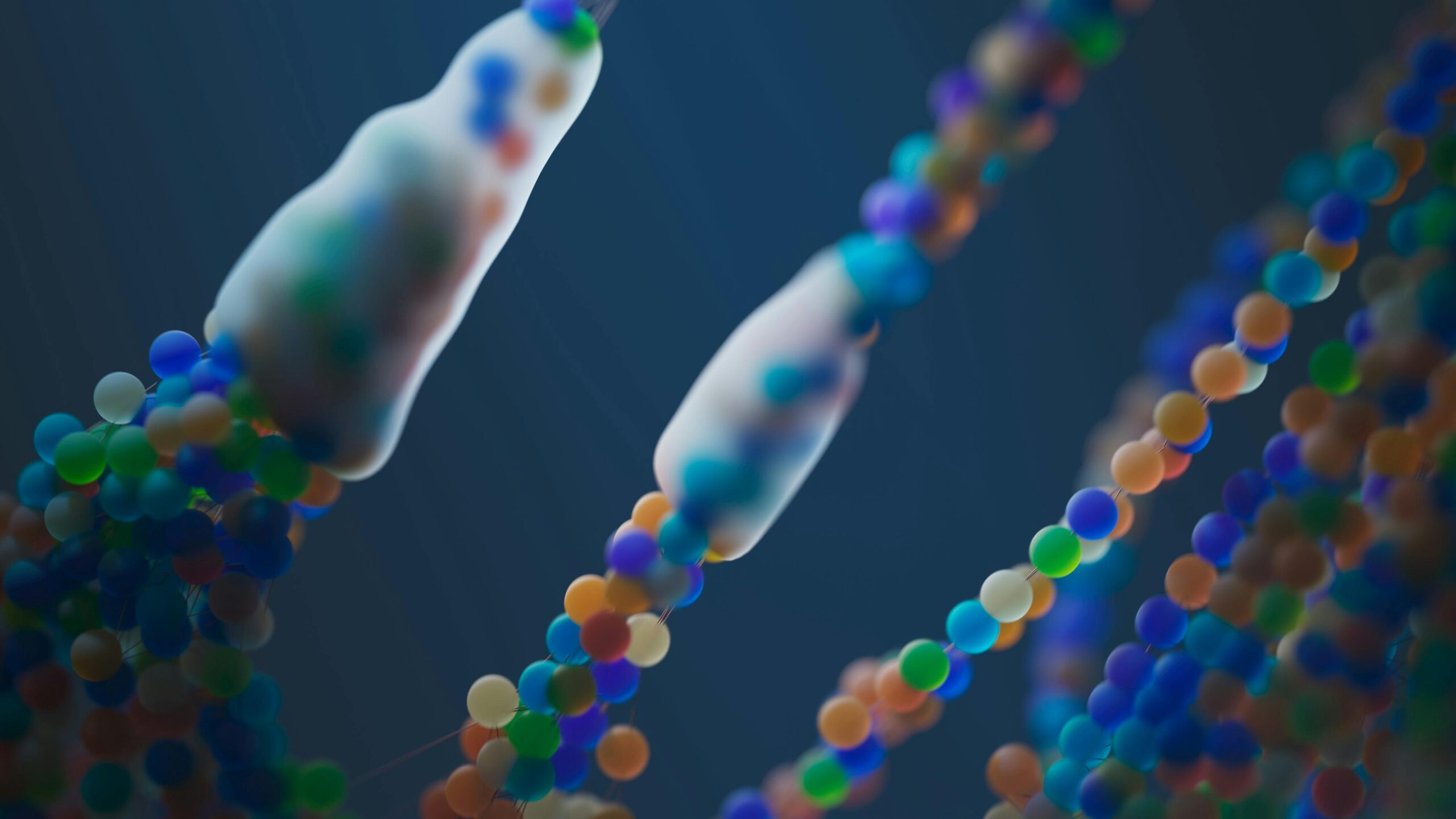
Alginate stands as one of nature’s most remarkable polymers, bridging the gap between marine biology and cutting-edge biotechnology with extraordinary versatility and potential.

🌊 From Seaweed to Science: The Alginate Story
Derived primarily from brown seaweed species such as Laminaria and Macrocystis, alginate has evolved from a humble marine extract to a cornerstone of modern biomaterial science. This naturally occurring polysaccharide consists of linear copolymers of β-D-mannuronic acid and α-L-guluronic acid, creating a molecular architecture that enables remarkable functional properties.
The extraction process involves treating seaweed biomass with alkaline solutions, followed by precipitation and purification steps that yield a versatile biopolymer. What makes alginate particularly fascinating is its ability to form hydrogels instantly when exposed to divalent cations like calcium, a property that has revolutionized numerous applications across multiple industries.
Marine algae produce alginate as a structural component of their cell walls, providing flexibility and strength in turbulent ocean environments. This biological function translates beautifully into human applications, where similar mechanical properties are highly valued. The global alginate market continues to expand, driven by increasing demand in pharmaceutical, food, and biotechnology sectors.
💊 Pharmaceutical Applications: Healing with Hydrogels
The pharmaceutical industry has embraced alginate as a game-changing biomaterial for drug delivery systems. Its biocompatibility, low toxicity, and ability to protect sensitive therapeutic compounds make it an ideal carrier for various medications. Alginate-based drug delivery systems can be designed to release their payload in response to specific pH changes, making them perfect for targeted intestinal delivery.
Wound healing represents another frontier where alginate demonstrates exceptional performance. Alginate dressings maintain a moist wound environment, absorb exudate, and provide a protective barrier against bacterial contamination. The material’s hemostatic properties also make it valuable for controlling bleeding, particularly in dental and surgical applications.
Microencapsulation technology utilizing alginate has opened new possibilities for cell transplantation and regenerative medicine. Pancreatic islet cells encapsulated in alginate beads show promise for treating diabetes, while other cell types are being explored for various tissue engineering applications. The semi-permeable nature of alginate allows nutrients and oxygen to reach encapsulated cells while protecting them from immune system attacks.
Controlled Release Mechanisms
Alginate’s gel-forming properties enable sophisticated controlled-release formulations. By manipulating the molecular weight, guluronic to mannuronic acid ratio, and crosslinking density, researchers can fine-tune release rates to match therapeutic requirements. This precision makes alginate invaluable for medications requiring sustained release over hours, days, or even weeks.
🍽️ Food Industry Innovation: Beyond Texture
In the culinary world, alginate has become synonymous with molecular gastronomy and food innovation. Chefs utilize spherification techniques to create caviar-like pearls containing flavorful liquids, transforming dining into an experiential journey. However, alginate’s role in the food industry extends far beyond theatrical presentations.
As a stabilizer and thickening agent, alginate enhances texture in ice creams, preventing ice crystal formation and improving mouthfeel. In bakery products, it improves moisture retention and extends shelf life. The beverage industry employs alginate to stabilize fruit suspensions and create unique textural experiences in novel drink formulations.
The growing demand for plant-based and vegan products has positioned alginate as a crucial ingredient for meat and dairy alternatives. Its ability to mimic certain textural properties of animal-based products while being completely plant-derived makes it invaluable for food technologists developing the next generation of sustainable protein sources.
Clean Label Movement
Consumers increasingly demand natural, recognizable ingredients on food labels. Alginate fits perfectly into this clean label movement as a seaweed-derived, natural polysaccharide with an established safety profile. Regulatory agencies worldwide, including the FDA and EFSA, recognize alginate as safe for consumption, further supporting its widespread use in food applications.
🔬 Tissue Engineering: Building Tomorrow’s Organs
The field of tissue engineering has found in alginate a versatile scaffold material capable of supporting three-dimensional cell growth. Its structural similarity to extracellular matrix components makes it biologically relevant, while its tunable mechanical properties allow researchers to match specific tissue characteristics.
Cartilage regeneration stands out as a particularly promising application. Chondrocytes cultured in alginate hydrogels maintain their phenotype and produce cartilage-specific extracellular matrix components. This approach offers hope for treating osteoarthritis and repairing cartilage damage resulting from injury or disease.
Bone tissue engineering leverages alginate’s ability to incorporate bioactive molecules and mineralized components. By combining alginate with calcium phosphate or hydroxyapatite, researchers create composite scaffolds that promote osteoblast adhesion, proliferation, and differentiation. The biodegradable nature of alginate ensures that as natural bone tissue forms, the scaffold gradually disappears.
Bioprinting Breakthroughs
Three-dimensional bioprinting technology relies heavily on bioinks with specific rheological properties. Alginate-based bioinks have become industry standards due to their shear-thinning behavior, rapid gelation, and excellent printability. Researchers are now printing complex tissue constructs, including vascular networks and organ-specific architectures, bringing us closer to the goal of on-demand organ manufacturing.
🌱 Environmental Applications: Green Solutions
Alginate’s environmental credentials extend beyond its renewable marine origin. The biopolymer shows remarkable potential for addressing pressing environmental challenges, from water purification to sustainable packaging solutions.
Heavy metal contamination in water sources poses serious health risks globally. Alginate beads functionalized with various chelating agents demonstrate exceptional capacity for removing toxic metals like lead, mercury, and cadmium from contaminated water. The high density of carboxyl and hydroxyl groups in alginate’s structure provides numerous binding sites for metal ions, making it an efficient and eco-friendly biosorbent.
The packaging industry faces mounting pressure to replace petroleum-based plastics with sustainable alternatives. Alginate films, particularly when combined with other biopolymers like chitosan or cellulose, create biodegradable packaging materials with reasonable mechanical strength and barrier properties. These materials decompose naturally, reducing plastic waste accumulation in landfills and oceans.
Agricultural Enhancement
Agricultural applications of alginate include seed coating formulations that protect seeds from pathogens while providing a controlled-release reservoir for nutrients and growth promoters. Alginate-based soil conditioners improve water retention in arid regions, reducing irrigation requirements and supporting sustainable farming practices in water-scarce environments.
⚗️ Chemical Modifications: Expanding the Toolkit
While native alginate possesses impressive properties, chemical modifications dramatically expand its application potential. Researchers have developed numerous modification strategies to introduce new functional groups or alter existing properties without compromising biocompatibility.
Sulfation of alginate introduces anticoagulant properties similar to heparin, opening applications in cardiovascular biomaterials. Oxidation creates aldehyde groups that enable crosslinking with proteins or other amine-containing molecules, strengthening mechanical properties and creating responsive materials. Grafting of hydrophobic chains produces amphiphilic alginates capable of forming micelles for drug delivery applications.
Photocrosslinkable alginate derivatives incorporate methacrylate or similar groups, allowing spatiotemporal control over gelation using light. This capability proves invaluable for bioprinting and creating materials with precisely defined microarchitectures. The combination of ionic and covalent crosslinking mechanisms provides researchers with unprecedented control over material properties.
🏭 Manufacturing Considerations: From Lab to Market
Scaling alginate-based technologies from laboratory prototypes to commercial products presents unique challenges. Variability in seaweed composition depending on species, harvest season, and geographic origin affects alginate properties, requiring robust quality control measures.
Standardization efforts focus on establishing consistent specifications for molecular weight distribution, guluronic-to-mannuronic acid ratios, and contaminant levels. Analytical techniques including size-exclusion chromatography, NMR spectroscopy, and rheological testing help manufacturers maintain product consistency.
Sterilization of alginate-containing medical products requires careful consideration, as autoclaving can degrade the polymer chains. Gamma irradiation offers an alternative but may also affect molecular weight. Recent developments in low-temperature sterilization methods and aseptic processing techniques address these challenges while maintaining material integrity.
Economic Viability
The cost-effectiveness of alginate-based solutions depends heavily on application context. While alginate remains relatively inexpensive compared to synthetic polymers for some applications, highly purified pharmaceutical-grade alginate commands premium prices. Ongoing research into alternative alginate sources, including bacterial fermentation, aims to reduce costs and improve supply chain reliability.
🔮 Future Horizons: Emerging Opportunities
The alginate research landscape continues evolving rapidly, with several emerging areas showing exceptional promise. Smart or responsive alginate systems that react to specific stimuli represent a cutting-edge development direction. Temperature-sensitive alginate formulations, pH-responsive delivery systems, and enzyme-degradable constructs enable sophisticated applications in diagnostics and therapeutics.
Combination strategies pairing alginate with other biomaterials create synergistic properties exceeding what either material achieves alone. Alginate-collagen composites for skin tissue engineering, alginate-gelatin blends for cell encapsulation, and alginate-nanoparticle hybrids for enhanced drug delivery exemplify this trend toward multi-component systems.
Nanotechnology integration pushes alginate applications into new territories. Alginate-based nanofibers produced through electrospinning offer extremely high surface-area-to-volume ratios for wound dressings and filtration applications. Alginate nanoparticles serve as carriers for genetic material in gene therapy approaches, protecting DNA or RNA from degradation while facilitating cellular uptake.
Personalized Medicine Applications
The convergence of alginate technology with personalized medicine opens exciting possibilities. Patient-specific drug delivery systems using alginate can be tailored based on individual metabolic profiles and disease characteristics. Three-dimensional bioprinted alginate constructs incorporating patient-derived cells may eventually produce customized tissue replacements and organ models for drug testing.
🎯 Optimizing Alginate Performance: Key Factors
Successful alginate applications require understanding the factors influencing material performance. The molecular weight of alginate chains significantly impacts solution viscosity, gel strength, and degradation rates. Higher molecular weight alginates generally produce stronger gels but may be more difficult to process and sterilize.
The M/G ratio—the proportion of mannuronic acid to guluronic acid blocks—fundamentally determines gelation behavior and mechanical properties. High-G alginates form rigid, brittle gels with strong but selective ion binding, while high-M alginates produce more flexible gels with gradual gelation kinetics. Many applications benefit from intermediate compositions balancing these characteristics.
Crosslinking density controls gel porosity, swelling behavior, and degradation rates. Optimizing crosslinker concentration allows fine-tuning of diffusion properties for drug release applications or cell viability in tissue engineering contexts. Multiple crosslinking mechanisms can be combined to achieve complex property profiles tailored to specific requirements.

🌐 Global Impact: Sustainability and Innovation
As global attention focuses on sustainable development and circular economy principles, alginate exemplifies how marine resources can support technological advancement while respecting environmental limits. Seaweed cultivation for alginate production offers carbon sequestration benefits, absorbs excess nutrients from coastal waters, and provides economic opportunities for coastal communities.
The versatility of alginate as a building block enables replacement of petroleum-derived materials across multiple sectors, contributing to reduced greenhouse gas emissions and plastic pollution. Continued research investment and cross-disciplinary collaboration will unlock additional applications, establishing alginate as a cornerstone of the bioeconomy.
From its origins in brown seaweed to its current status as a multifunctional biomaterial, alginate demonstrates the immense potential locked within natural polymers. Whether healing wounds, creating culinary experiences, engineering tissues, or protecting the environment, this remarkable biopolymer continues proving its worth as an essential tool for addressing contemporary challenges while paving the way toward a more sustainable future.