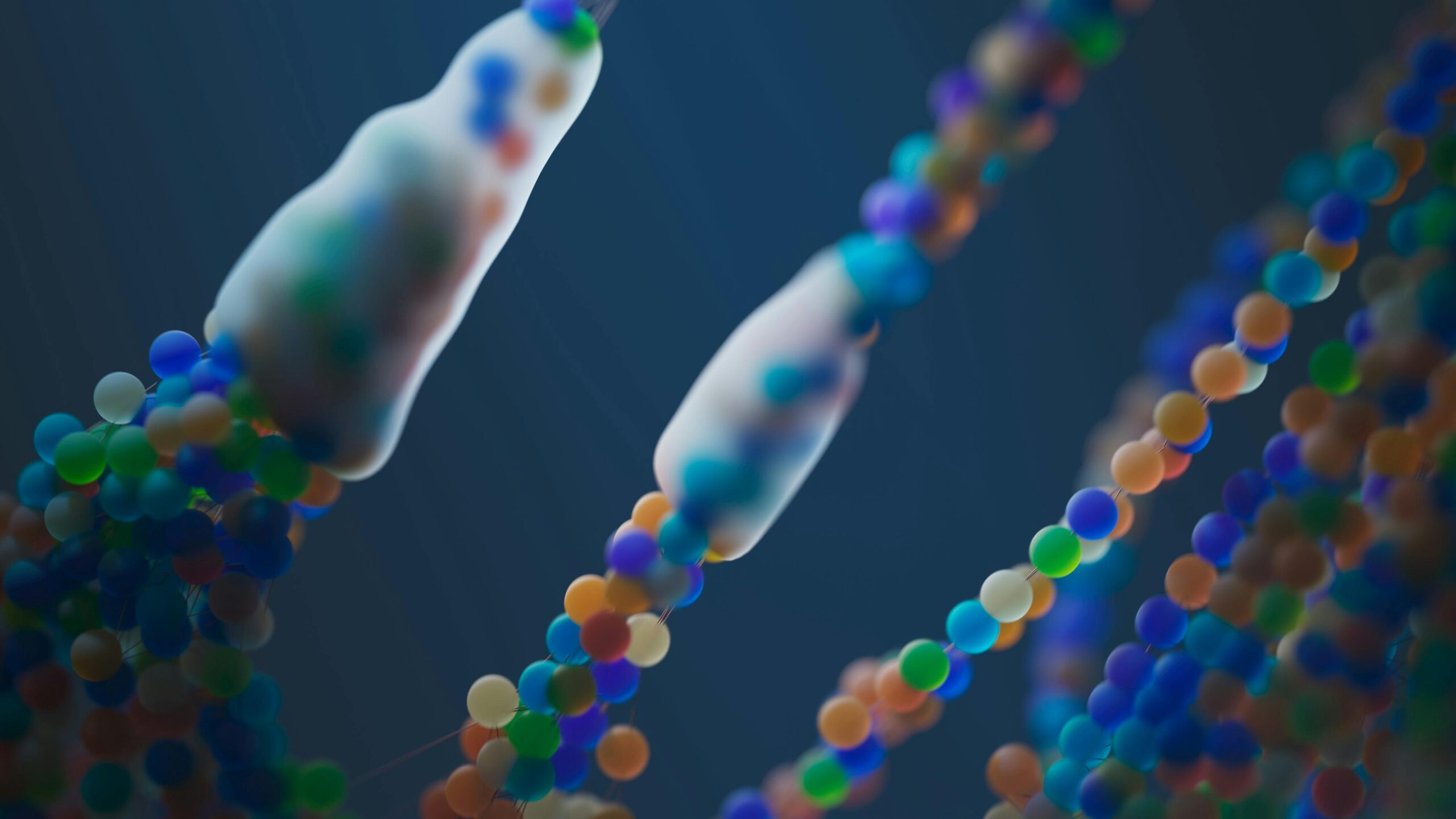
The convergence of algae-based polymers and recycled bio-resins represents a groundbreaking frontier in green chemistry, offering transformative potential for sustainable material science and environmental restoration.

🌿 The Urgent Need for Sustainable Material Innovations
Our planet faces an unprecedented materials crisis. Traditional petroleum-based plastics have accumulated in landfills and oceans, creating environmental disasters that will persist for centuries. The manufacturing sector contributes approximately 23% of global greenhouse gas emissions, with conventional polymer production representing a significant portion of this carbon footprint. As industries worldwide scramble to meet carbon neutrality targets, the search for sustainable alternatives has intensified dramatically.
Green chemistry innovation has emerged as the cornerstone of this transformation. By redesigning chemical products and processes to reduce or eliminate hazardous substances, scientists are pioneering materials that work with nature rather than against it. Among the most promising developments in this field is the integration of algae-derived polymers with recycled bio-resins, creating hybrid materials that offer both environmental benefits and impressive performance characteristics.
Understanding Algae Polymers: Nature’s Versatile Building Blocks
Algae polymers represent one of nature’s most elegant solutions to material production. These biological macromolecules, derived from various algae species, offer remarkable properties that make them ideal candidates for sustainable manufacturing. Unlike petroleum-based plastics that require millions of years of geological processes, algae can produce complex polymers within days or weeks.
The Biochemical Advantages of Algae-Based Materials
Algae species such as Laminaria, Sargassum, and Chlorella produce polysaccharides like alginate, carrageenan, and agar that exhibit unique structural properties. These biopolymers contain functional groups that enable chemical modifications, allowing scientists to tailor their properties for specific applications. The molecular architecture of algae polymers includes hydroxyl, carboxyl, and sulfate groups that facilitate cross-linking and bonding with other materials.
What makes algae particularly attractive is their carbon sequestration capability during growth. Algae farms can absorb CO2 at rates up to 10 times more efficiently than terrestrial plants, effectively capturing atmospheric carbon while producing valuable raw materials. This dual functionality transforms algae cultivation into a carbon-negative process, directly addressing climate change while generating useful products.
Extraction and Processing Technologies
Modern extraction techniques have evolved significantly, enabling cost-effective harvesting of algae polymers. Enzymatic hydrolysis, supercritical fluid extraction, and membrane filtration technologies now allow for selective isolation of specific polymer fractions without harsh chemical treatments. These gentle processing methods preserve the molecular integrity of the polymers while minimizing environmental impact.
♻️ Recycled Bio-Resins: Closing the Loop on Waste
Recycled bio-resins represent the second pillar of this sustainable materials revolution. Unlike conventional recycled plastics that often suffer from degraded properties after multiple processing cycles, bio-resins can maintain structural integrity through innovative recycling approaches. These materials derive from renewable biological resources such as plant starches, cellulose, and previously used bio-based products.
The bio-resin recycling process involves mechanical and chemical depolymerization techniques that break down used materials into their constituent monomers or oligomers. These building blocks can then be repolymerized into new materials, creating a circular economy model where waste becomes feedstock. This approach dramatically reduces reliance on virgin materials while addressing the mounting waste management challenges facing modern societies.
Categories of Recycled Bio-Resins in Current Use
- Polylactic Acid (PLA) Recycle: Derived from corn starch or sugarcane, recycled PLA maintains excellent biodegradability while offering good mechanical strength
- Polyhydroxyalkanoates (PHA) Recovery: Produced by bacterial fermentation, recycled PHAs provide superior biodegradation in marine environments
- Bio-based Polyethylene Terephthalate (Bio-PET): Partially derived from plant materials, offering compatibility with existing recycling infrastructure
- Cellulose Acetate Reclamation: Sourced from wood pulp, these materials offer transparency and moldability for various applications
The Chemistry of Compatibility: Making Algae and Bio-Resins Work Together
The critical challenge in combining algae polymers with recycled bio-resins lies in achieving chemical compatibility. These materials must interact at the molecular level to create cohesive structures rather than phase-separated mixtures. Researchers have identified several promising approaches to enhance this compatibility through interfacial chemistry modification.
Surface Functionalization Strategies
Chemical grafting techniques allow scientists to introduce compatible functional groups onto polymer surfaces. For instance, treating algae-derived alginates with maleic anhydride creates reactive sites that bond readily with hydroxyl groups present in many bio-resins. Similarly, plasma treatment can activate polymer surfaces, increasing their reactivity without introducing harmful chemicals.
Compatibilizers serve as molecular bridges between dissimilar materials. These specialized compounds contain segments that are chemically similar to both the algae polymer and the bio-resin, effectively mediating between the two phases. Bio-based compatibilizers derived from vegetable oils or modified starches maintain the sustainable profile of the final composite material.
Blending Technologies and Processing Parameters
The physical process of combining algae polymers with recycled bio-resins requires careful control of temperature, pressure, and mixing intensity. Twin-screw extrusion has emerged as a particularly effective method, providing intensive mixing and heat transfer that promotes molecular interaction. Processing temperatures must balance the need for molecular mobility against the risk of thermal degradation, typically ranging between 150-200°C depending on the specific materials involved.
| Processing Method | Temperature Range | Advantages | Applications |
|---|---|---|---|
| Melt Blending | 160-190°C | High throughput, excellent mixing | Films, sheets, injection molding |
| Solution Casting | Room temperature | Gentle processing, preserves bioactivity | Coatings, membranes, biomedical |
| Compression Molding | 140-180°C | Low shear, suitable for fillers | Composites, structural parts |
| 3D Printing | 180-220°C | Complex geometries, customization | Prototypes, specialized components |
🔬 Performance Characteristics of Hybrid Materials
The combination of algae polymers and recycled bio-resins produces materials with properties that often exceed those of individual components. This synergistic effect results from complementary characteristics: algae polymers typically provide hydrophilicity, biodegradability, and biocompatibility, while recycled bio-resins contribute mechanical strength, thermal stability, and processability.
Mechanical Properties and Structural Applications
Recent research demonstrates that composites containing 20-30% algae-derived polymers blended with recycled PLA exhibit tensile strengths comparable to conventional plastics while maintaining excellent biodegradability. The addition of alginate fibers to recycled bio-resin matrices can increase impact resistance by up to 40%, addressing one of the traditional weaknesses of bio-based materials.
Flexibility and elongation at break also improve through careful formulation. Plasticizers derived from algae oils can enhance the ductility of rigid bio-resins without compromising their environmental credentials. This allows manufacturers to tune material properties for specific applications, from rigid packaging to flexible films.
Barrier Properties for Packaging Solutions
One of the most promising applications for algae-bio-resin hybrids lies in food packaging. Algae-derived polysaccharides naturally form dense networks that provide excellent oxygen and moisture barriers. When incorporated into recycled bio-resin matrices, these materials can match or exceed the barrier performance of conventional petroleum-based packaging while remaining fully compostable.
Laboratory testing shows that alginate-reinforced PLA films reduce oxygen transmission rates by up to 65% compared to pure recycled PLA. This enhanced barrier protection extends shelf life for perishable goods, reducing food waste and providing tangible economic benefits alongside environmental advantages.
🌊 Environmental Impact Assessment and Life Cycle Analysis
The true measure of any sustainable innovation requires comprehensive environmental impact assessment. Life cycle analysis (LCA) of algae polymer and recycled bio-resin composites reveals impressive environmental benefits across multiple categories including carbon footprint, water usage, energy consumption, and end-of-life scenarios.
Carbon Sequestration and Greenhouse Gas Reduction
Cradle-to-gate LCA studies indicate that algae-bio-resin composites can achieve carbon negativity when algae cultivation impacts are fully accounted for. The CO2 absorbed during algae growth offsets emissions from processing and manufacturing, resulting in net carbon sequestration of approximately 1.2-1.8 kg CO2 equivalent per kilogram of finished material. This compares favorably against conventional plastics that typically produce 2-4 kg CO2 equivalent per kilogram.
The recycling component further amplifies these benefits. Using recycled bio-resins instead of virgin materials reduces energy consumption by approximately 60-70% and eliminates the agricultural land use associated with growing new biomass feedstocks. This cascading use of biological resources maximizes environmental efficiency throughout the value chain.
Biodegradation and Marine Environment Compatibility
Perhaps the most critical environmental advantage lies in end-of-life biodegradation. Standardized testing according to ASTM D6400 and EN 13432 standards demonstrates that properly formulated algae-bio-resin composites achieve complete biodegradation within 90-180 days under industrial composting conditions. More importantly, these materials also degrade in marine environments, addressing the plastic pollution crisis affecting our oceans.
Marine biodegradation studies show that algae-enriched composites break down 3-5 times faster than conventional bio-plastics in seawater conditions. The algae components essentially “recruit” naturally occurring marine microorganisms that recognize these materials as food sources, accelerating decomposition without releasing microplastics or toxic residues.
💡 Industrial Applications and Market Opportunities
The commercial potential for algae-bio-resin hybrid materials spans numerous industries, from consumer packaging to automotive components. Early adopters are already implementing these materials in products where sustainability credentials provide competitive advantages and regulatory compliance benefits.
Food Service and Packaging Industry
Single-use foodservice items represent a primary market opportunity. Disposable cutlery, plates, cups, and takeout containers made from algae-bio-resin composites offer performance comparable to conventional plastics while meeting increasingly stringent regulations against single-use plastics. Several European municipalities have already mandated compostable alternatives, creating immediate market demand.
Flexible packaging films incorporating algae polymers provide enhanced barrier properties essential for maintaining food freshness. Major food brands are piloting these materials for produce packaging, snack food bags, and beverage containers, seeking to reduce their environmental footprint while maintaining product quality and shelf life.
Agricultural and Horticultural Applications
Agricultural films, plant pots, and mulch materials benefit tremendously from algae-bio-resin technology. Unlike conventional plastic mulches that require removal and disposal, biodegradable alternatives can be tilled directly into soil where they decompose and contribute organic matter. This eliminates labor costs and waste management challenges while improving soil health.
Controlled-release fertilizer coatings represent another promising application. Algae-based polymers can be engineered to degrade at specific rates, releasing nutrients according to plant growth cycles. This precision agriculture approach reduces fertilizer waste, prevents nutrient runoff, and optimizes crop yields.
🚀 Scaling Challenges and Technological Barriers
Despite remarkable laboratory successes, several challenges must be addressed to achieve widespread commercial adoption of algae-bio-resin composites. Cost competitiveness remains the primary barrier, as these advanced materials currently carry price premiums of 20-50% compared to conventional alternatives.
Production Scale and Infrastructure Development
Algae cultivation requires significant infrastructure investment. While pilot-scale facilities demonstrate technical feasibility, achieving the production volumes necessary to supply major industries demands large-scale photobioreactors or open pond systems. Capital costs for these facilities range from $50-200 million depending on production capacity, creating financing challenges for early-stage companies.
Processing infrastructure also requires development. Existing plastic manufacturing equipment can accommodate bio-resins with minor modifications, but optimizing processes for algae polymer blends requires specialized expertise and equipment calibration. Industry partnerships between material developers and established manufacturers can accelerate this technology transfer.
Standardization and Regulatory Pathways
Clear standards and certifications help consumers and businesses make informed choices about sustainable materials. Organizations like the Biodegradable Products Institute (BPI) and European Bioplastics Association are developing certification protocols specifically for algae-based materials. Harmonizing these standards internationally will facilitate market access and consumer confidence.
Regulatory approval processes vary significantly across regions and applications. Food contact applications require rigorous safety testing to ensure no harmful substances migrate into consumables. Medical and pharmaceutical applications face even more stringent requirements. Proactive engagement with regulatory agencies can streamline approval processes and identify testing requirements early in product development.
🌟 Future Directions and Emerging Research
The field of algae-bio-resin composites continues to evolve rapidly, with emerging research exploring novel applications and enhanced functionalities. Genetic engineering of algae strains promises customized polymer compositions optimized for specific applications. CRISPR technology allows precise modification of biosynthetic pathways, potentially increasing polymer yields and introducing new functional properties.
Smart Materials and Functional Integration
Researchers are developing “smart” algae-bio-resin composites with responsive properties. pH-sensitive formulations change permeability based on environmental conditions, enabling active packaging that responds to food spoilage. Temperature-responsive materials could provide visual indicators of cold chain integrity for pharmaceutical and food logistics.
Antimicrobial properties can be incorporated through careful selection of algae species or addition of natural antimicrobial compounds during processing. These functional materials extend product shelf life and reduce foodborne illness risks without synthetic preservatives or additives.
Circular Economy Integration
Future systems will likely integrate algae cultivation with waste treatment processes, creating closed-loop systems where wastewater nutrients feed algae growth. This approach treats pollution while producing valuable materials, exemplifying circular economy principles. Municipal wastewater treatment plants could become bioplastic production facilities, fundamentally transforming waste management economics.
Chemical recycling technologies under development promise to recover monomers from used algae-bio-resin products, enabling true closed-loop recycling. Enzymatic depolymerization uses specific enzymes to break down polymer chains without harsh chemicals or high temperatures, preserving molecular quality for infinite recycling cycles.
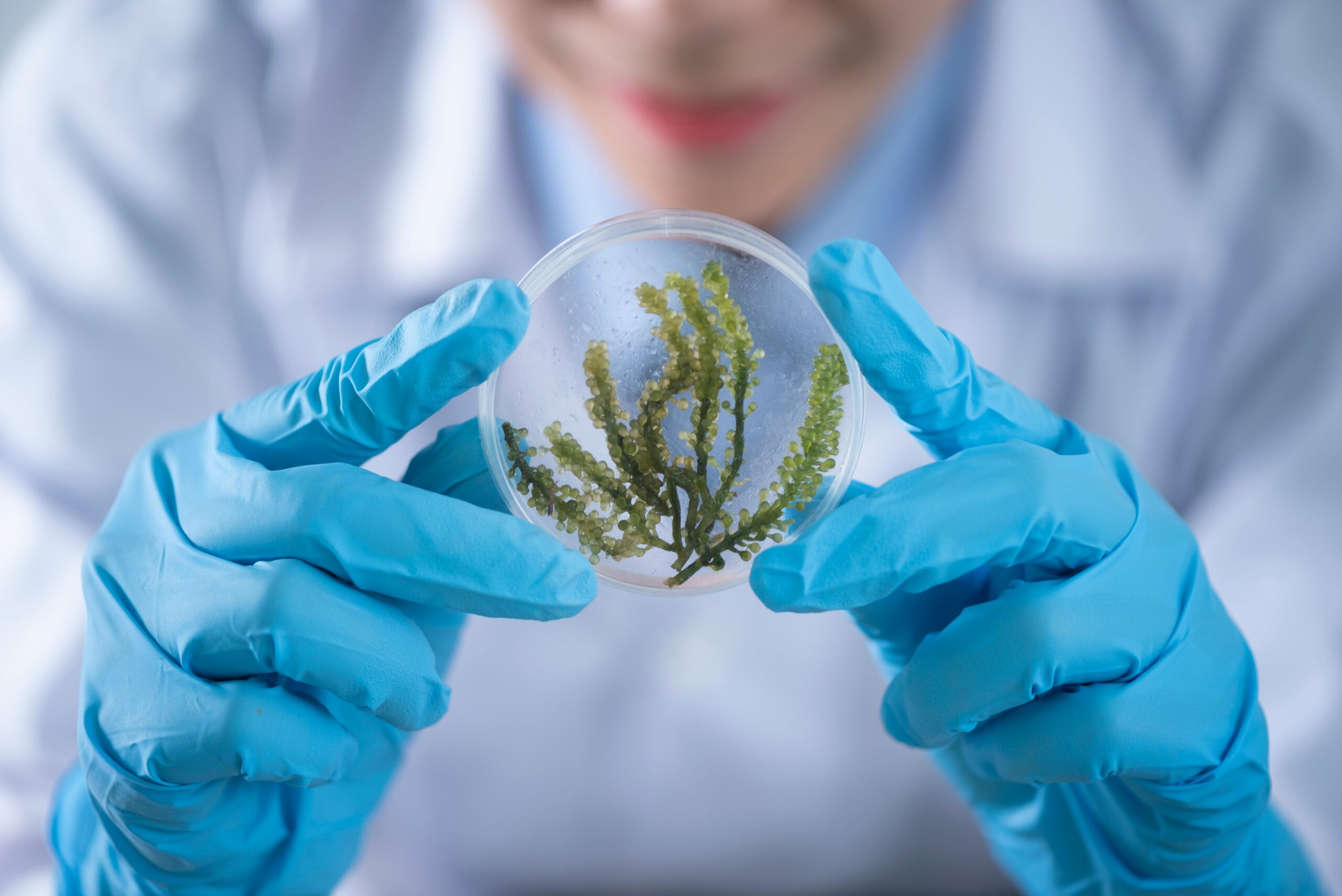
Transforming Materials Science Through Natural Innovation
The compatibility of algae polymers with recycled bio-resins represents more than a technical achievement—it embodies a fundamental shift in how we approach materials design and manufacturing. By working with biological systems rather than extracting from geological reserves, we can create products that enhance rather than degrade our environment. The synergy between these two sustainable material categories offers performance characteristics that meet demanding applications while providing genuine environmental benefits.
Success in this field requires continued collaboration among researchers, manufacturers, policymakers, and consumers. Investment in production infrastructure, development of clear standards, and education about proper use and disposal will accelerate adoption. As economies of scale reduce costs and performance data accumulates, algae-bio-resin composites will transition from niche applications to mainstream materials that help build a sustainable future for generations to come.
The journey from laboratory innovation to global implementation presents challenges, but the environmental imperative and technological potential make this transition both necessary and achievable. Green chemistry innovation, exemplified by algae polymer and recycled bio-resin compatibility, demonstrates that we can maintain modern lifestyles while healing our planet’s ecosystems. 🌍